
Car Bodywork Repair Prices in Cardiff: What Moves the Price
Bodywork repair is priced on four things: the size of the damaged area, the paint on your car, the parts the job needs, and what the strip down finds behind the panel. Nobody enjoys ringing round for prices on damage they did not plan for, least of all when two quotes come back hundreds of pounds apart. The question underneath every call is the same: will the repair show, and am I being charged fairly for it. This guide explains each one so you can read a quote properly and compare two of them fairly. Send a photograph of the damage and we will give you a firm figure for your car rather than an average for somebody else’s.
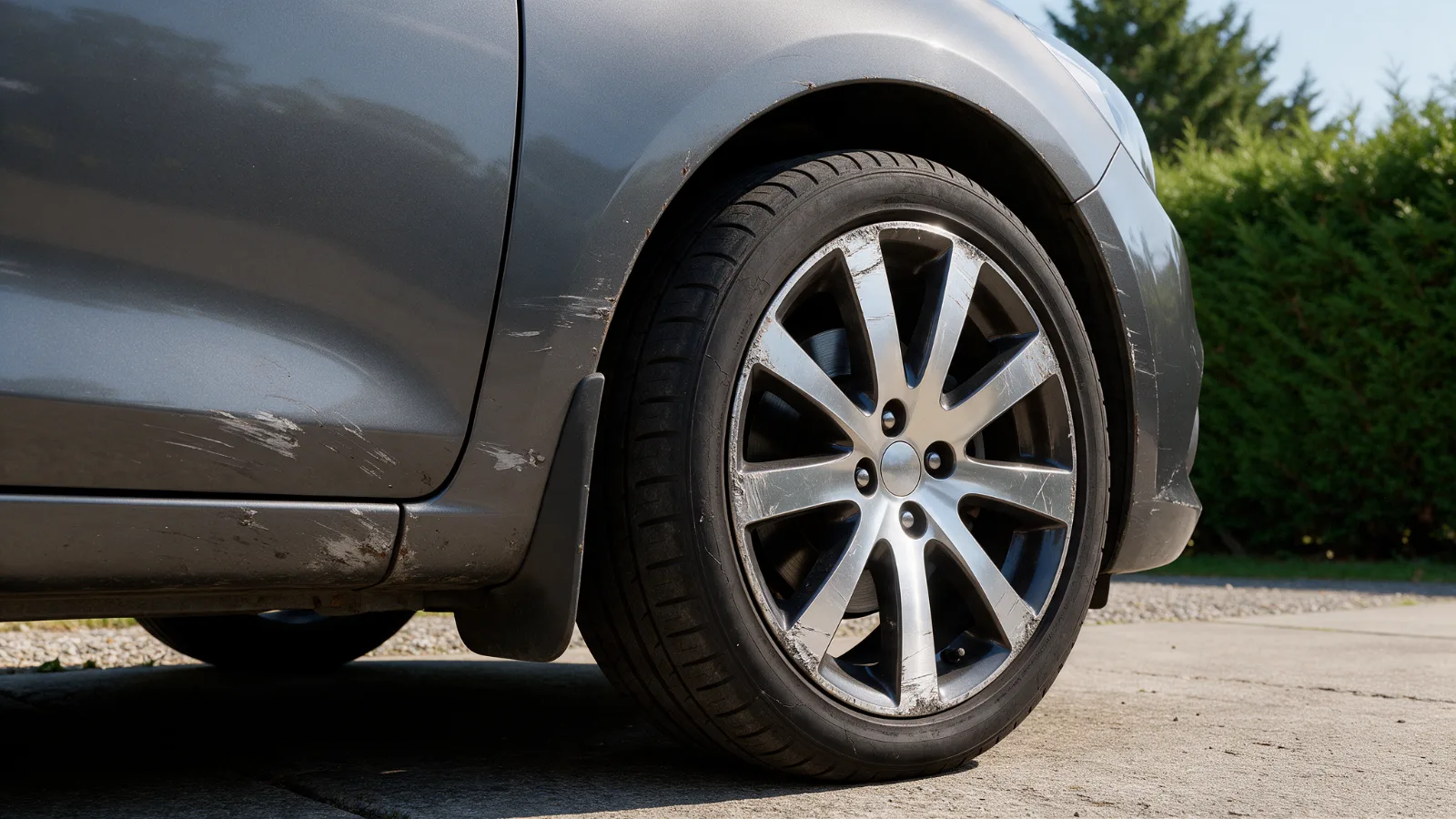
How bodywork repair is priced in Cardiff
Every quote is built from the same three lines: labour, paint and parts. Labour is the time on the panel. Paint covers the materials and the booth time, and it rises sharply with the number of panels involved. Parts are whatever cannot be saved, including the clips and brackets nobody sees. Ali Hindal writes the quotes himself at the Rumney workshop, Unit 4 Wentloog Buildings, where the six work bays and the on-site spray booth are.
That is why two quotes for what looks like the same scrape can be far apart. One may be for a repair, the other for a replacement panel. One may include blending the colour into the next panel, the other may not, which is how a repair ends up as a visible patch six months later.
We publish the method rather than a price list, because a price list invites the damage to be fitted to a band rather than the band to the damage. Our written quote names the method for each panel, repair or replace, and prices it. The work behind those methods is described on the bodywork repair page.
What makes a repair cost more or less
These are the cost drivers, in the order they move a quote:
- Number of panels involved. The jump from one panel to two is the biggest single step in any quote, because the paint has to be blended across the join.
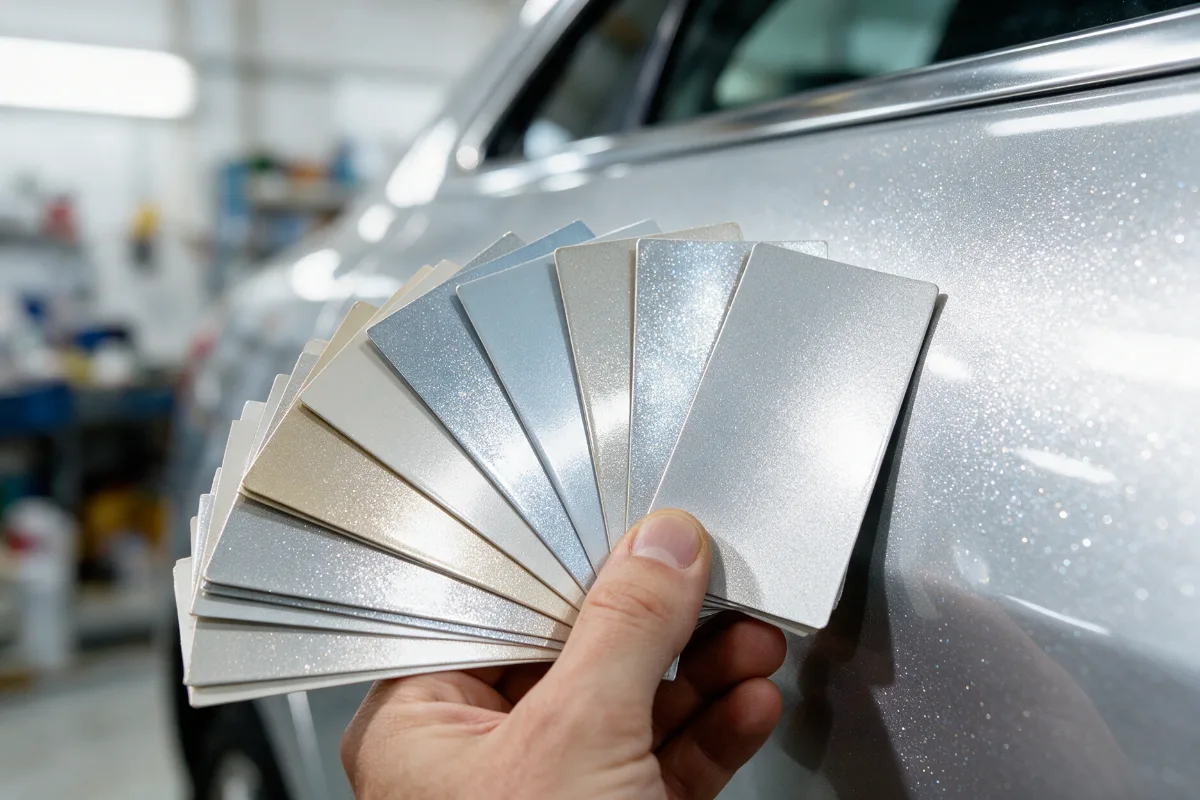
- Paint type. Solid colours are the cheapest to match. Metallics need more care in the booth. Pearl and tri coat finishes take the most work, and white pearl is the hardest of all to match invisibly.
- Panel material. Steel is straightforward. Aluminium needs separate tools and a separate area to avoid contamination. Plastic bumpers are welded rather than beaten.
- Parts, and which parts. A new painted panel costs more than a repaired one. On a bumper, the clips, brackets and absorbers behind it often cost more than the visible damage suggests.
- Sensors and cameras. Parking sensors, cameras and radar mounted in bumpers and wings add removal, refitting and checking to the job.
- Access. A dent in the middle of a door with a solid inner skin takes longer than a dent on an open arch, purely because of what has to come off first.
- Hidden damage. The one nobody quotes for from a photograph. It is found at strip down and it is the reason a firm figure comes after the panel is off.
What a bumper repair involves
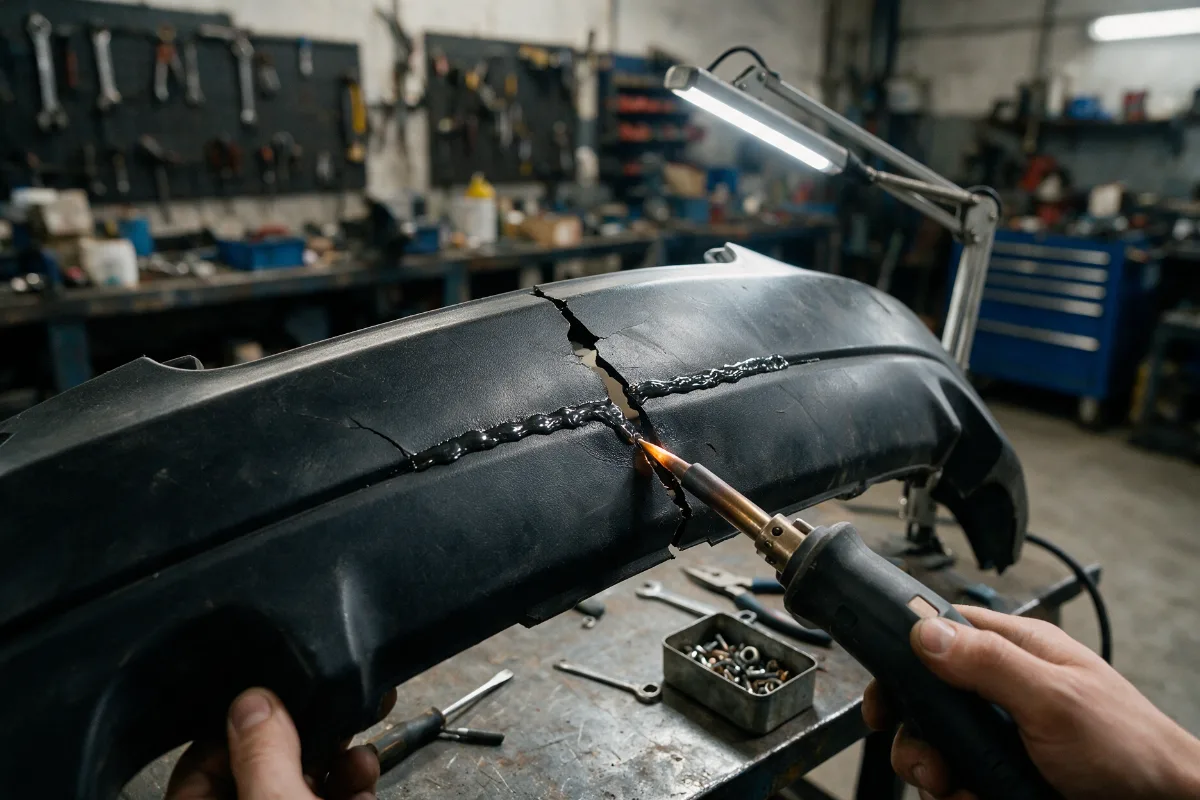
Bumpers are the most common single job in the workshop, and they split into three types of work. A scuff through the lacquer on an otherwise sound bumper is prepared, refinished and blended. A crack or split is plastic welded from behind, reinforced, filled on the face and refinished. A bumper that has torn away from its mountings, or where the skin has been pulled apart, is replaced and painted before fitting.
Two things move a bumper quote more than the damage itself. The first is sensors: a bumper carrying four parking sensors and a camera takes longer to strip and refit, and the sensors have to work afterwards. The second is colour, because a bumper is plastic and paints slightly differently from the metal wing beside it, so blending into the wing is usually part of a proper job. Which of the three routes a bumper takes is settled at the inspection, and bumper repair in Cardiff sets out what each one involves.
What a respray involves
Respray covers three different jobs that get called the same thing. A single panel respray refinishes one panel and blends into its neighbours. A partial respray covers a section of the car, such as one side or the whole front end, and is the usual answer to lacquer peel on a roof and bonnet. A full respray strips, prepares and refinishes the entire car, including the door shuts and the edges, which is where the time goes.
A colour change costs considerably more than refinishing in the original colour, because every shut, edge and hidden face has to be covered for the car to look right when a door is opened. It also has to be declared to your insurer and recorded with the DVLA, which drivers often forget until renewal. The three kinds of respray, and what decides which one a car needs, are covered on car respray in Cardiff.
What dent and scratch repair involves
A shallow dent with the paint still intact can often be pushed and worked out without refinishing, which is the cheapest repair in the trade. Once the paint is cracked, or the metal is creased, the panel needs preparing, filling thinly and refinishing, which puts it into the same bracket as a scratch repair. Where the line falls between pushing a dent out and refinishing the panel is explained on dent repair in Cardiff.
Scratches are priced on depth rather than length. A mark that polishes out is a valet job. A scratch you can catch a fingernail in has gone through the clear coat and needs the panel refinished. A key mark along three panels is three panels of work, which is the point at which drivers start asking whether to claim; the comparison is in repairs through your insurer.
What alloy wheel refurbishment involves
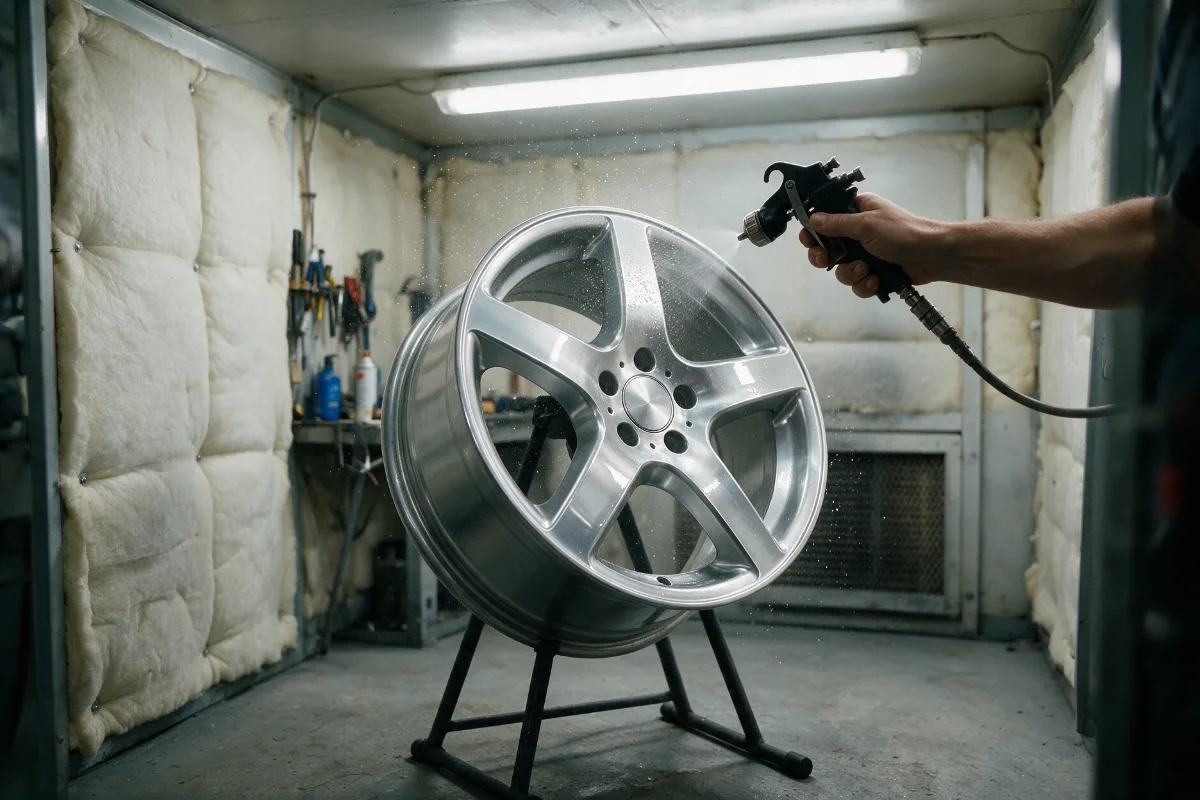
Kerbed alloys are refurbished off the car. The wheel is stripped, the damage is filled and shaped, then the wheel is refinished and lacquered. Powder coating gives the toughest finish and is the usual choice for a standard painted or anthracite wheel.
Diamond cut wheels, the ones with the bright machined face, are different. They are cut on a lathe to restore the face, and each cut removes material, so a wheel can only be diamond cut a limited number of times before it has to be painted instead. Sets of four cost less per wheel than singles, because the setup is done once. The difference between painted, powder coated and diamond cut finishes is set out on alloy wheel refurbishment in Cardiff.
What a proper quote should list
A quote you can compare, and hold someone to, names the work rather than summarising it. Ours lists these, and any quote worth putting next to it should too:
- Each damaged panel by name, with the method stated as repair or replace
- Paint operations per panel, including whether the colour is blended into the neighbouring panel
- Parts, listed individually, with the type stated: manufacturer, matching quality or reconditioned
- The small parts, so clips, brackets, absorbers and seals, which are the usual source of a surprise
- Labour hours against the panels rather than one unexplained figure
- What is excluded, and what would trigger a supplementary quote
A quote that is a single number on a compliment slip tells you nothing about whether it covers the same work as the one next to it, and it tells your insurer nothing either.
Why the same damage costs more on a claim
An insurance repair is priced against the insurer’s agreed method rather than the cheapest way to make the damage go away. Where a private customer may accept a repaired second hand panel, a claim commonly authorises a new one. There is also an assessment stage to pay for in time, and any supplementary work has to be agreed before it happens.
None of that changes what you pay, because on a claim your cost is the excess. It does explain why the figure on an insurance estimate can look higher than the private quote for the car parked next to it, and it is worth knowing before you decide which route to take.
Is a photo quote accurate
For cosmetic damage, yes. Scuffs, scratches, dents, kerbed wheels and cracked bumper skins can be quoted accurately from good photographs, because everything that matters is visible.
For impact damage, a photo quote is provisional. The photograph shows the skin, and the cost sits behind it in brackets, absorbers, sensors and alignment. We will give you a range from photographs and confirm the figure once the panel is off. If a body shop gives you a firm price for collision damage without seeing behind the bumper, that price is a guess that can only move in one direction.
Why independent prices differ from dealer body shops
Two things, and neither of them is the quality of the work. The first is the labour rate: a main dealer body shop carries the overheads of a dealership, and the hourly rate reflects that. The second is parts policy: dealer repairs generally fit manufacturer parts as standard, while an independent can use manufacturer, matching quality or reconditioned parts and will tell you which is which on the quote.
The right comparison is not the total at the bottom of the page. It is whether the two quotes describe the same work: the same panels, the same methods, the same blending, and the same parts. Ask both to itemise and the comparison takes two minutes.
How do I get a firm price
- Photograph the damage properly. Daylight, no shadow, one wide shot of the whole panel and two close shots of the damage itself.
- Send them with the car’s details. Registration, make, model and colour, so the paint type is known before you arrive.
- Tell us how the damage happened. A kerb, a car park, another vehicle. It tells us what to look for behind the panel.
- Get the written figure. Firm for cosmetic damage, a range for impact damage until the strip down confirms it.
The shots that make the difference are in our guide to photographing damage for a quote.
Send the photographs, get the figure
Message the damage and we will price it, or bring the car to Unit 4, Wentloog Buildings, Wentloog Road, Rumney, Cardiff CF3 1TH. Monday to Saturday, 9am to 6pm. Ring the workshop, or send the photographs, and we will tell you what your car needs.
Price questions we get asked
Do you charge for a quote?
No. Quotes are free, whether you send photographs or bring the car in.
Can you beat another body shop’s quote?
We will tell you honestly whether the other quote covers the same work. If it is for a different method, or leaves out blending or the parts behind the panel, the two figures are not comparable.
Is it cheaper to repair a bumper than replace it?
Repairing is usually cheaper, and on most cracks and scuffs it is also the better job, because the original bumper keeps its factory fit.
Do you take card payments?
Yes, and on a claim you pay only your excess at collection.
Why is white so often more expensive to match?
Plain white is straightforward. Pearl white is a layered finish and needs more skill and more material to match invisibly, so it sits at the top of the paint scale.
Can I get the work done in stages to spread the cost?
Yes, where the damage allows it. Tell us your priority and we will quote the panels separately, starting with anything that is letting water in or failing an MOT.
Send the photographs with your registration and we will price the work properly, rather than guessing at a band. Call 07400 454839 or use the contact form.