
Should You Claim on Insurance or Pay for Car Damage Yourself?
Pay for the damage yourself when the repair figure is close to your excess, and claim when it is well above it or another person was involved. The decision is arithmetic, not instinct, and the number most drivers leave out is what the claim costs them at renewal for the next three to five years. The car is off the road either way, and the only question left is who pays for putting it right. Four figures settle it: your excess, the written repair price, what a claim does to your no claims discount, and the premium increase you will carry afterwards. This guide puts all four in one place and works through a real comparison.
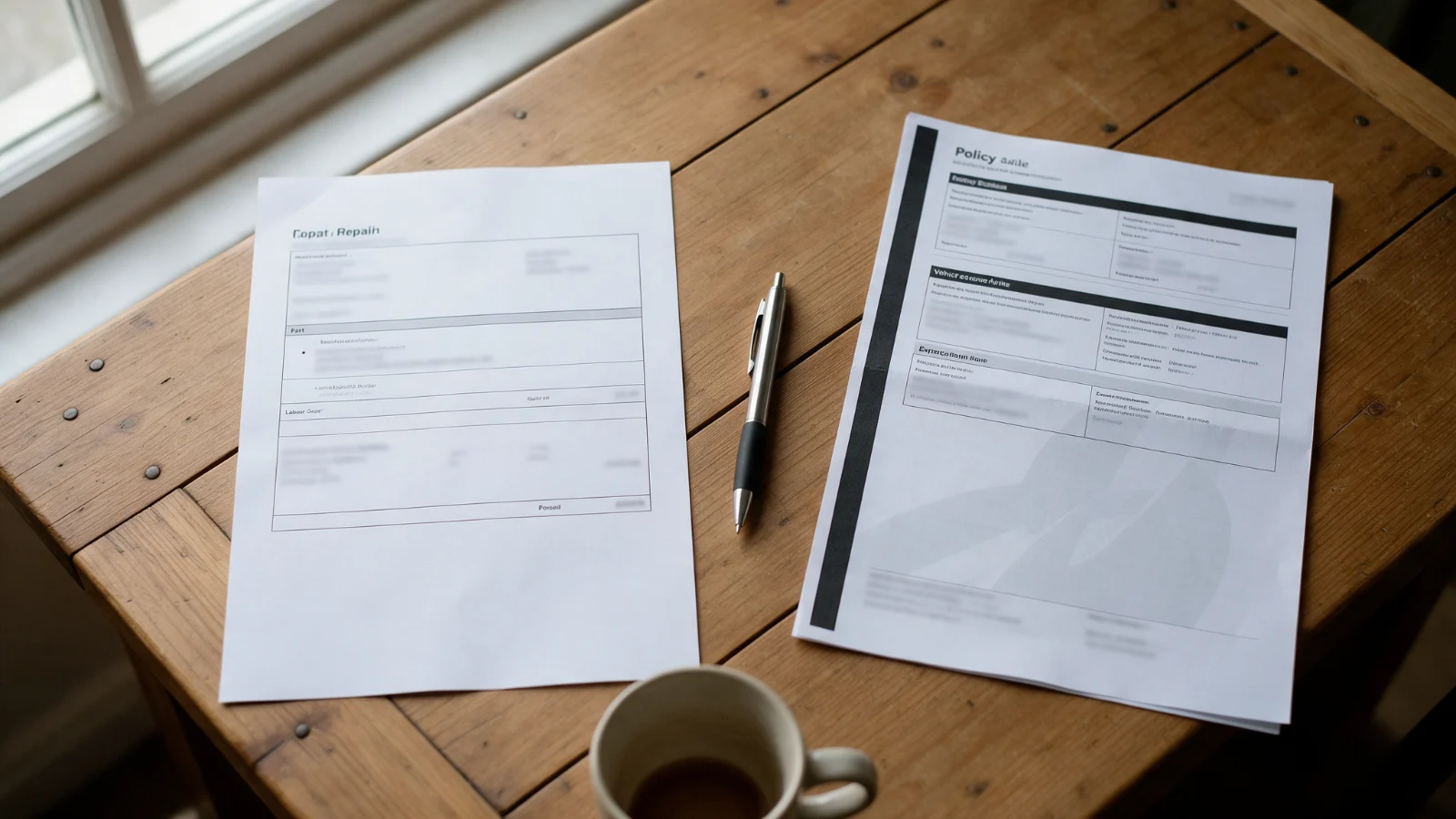
Should I claim on insurance for minor damage
No, in most cases, where the damage is cosmetic and the repair figure is within roughly twice your excess. Claiming costs you the excess immediately and the discount afterwards, so a small claim can leave you worse off than paying the bill outright. Ali Hindal will give you the written figure at the Rumney workshop, Unit 4 Wentloog Buildings, CF3 1TH, before you commit either way. Six work bays and an on-site spray booth mean the car is priced by the person who will repair it.
The threshold is not a rule of thumb somebody invented. It comes from the fact that a claim costs you twice: once at the counter when you pay the excess, and again at every renewal while the claim sits on your record. A repair that is barely above the excess recovers you very little and buys you years of higher premiums. Minor damage usually means dents and scratches, which is the cheapest category to pay for outright.
Where the answer flips is severity and involvement. Structural damage, anything you cannot afford outright, and any incident involving another vehicle, another person or property all point towards claiming. So does damage you cannot see the bottom of, because a firm figure is impossible until the panel is off, which is explained under what moves a bodywork repair price.
How does the excess affect the decision
Your excess is the fixed amount you pay towards any claim, and it is the first number that makes a small claim pointless. It is made up of a compulsory part set by the insurer and any voluntary part you agreed to lower your premium, and both appear on your policy schedule.
Two details catch people out. The first is that voluntary excess is easy to forget: a driver who set a high voluntary excess to get a cheaper quote may be carrying a total excess far larger than they remember. The second is that some policies apply additional excesses for young or inexperienced drivers, so the figure on the schedule is not always the figure that applies to the person who was driving.
Read the schedule before you ring. If the repair is going to come in at anything near the total excess, the claim recovers you almost nothing and still counts as a claim.
How much can a claim raise my premium
A claim raises your premium in two separate ways, and drivers routinely account for only one of them. The first is the loss of no claims discount. The second is the accident itself appearing on your record, which underwriters price for regardless of what happens to the discount.
An unprotected no claims discount is commonly cut by two years for a fault claim. A driver with four years of discount typically drops to two, and the renewal quote reflects that reduced discount rather than the old one. That effect persists until the years are rebuilt.
Protected no claims is narrower than the name suggests. Protection stops the discount being reduced. It does not freeze the price. The underwriter still sees a claim, still reprices the risk, and your premium can rise even though your discount is intact. Anyone who bought protection believing it fixed their renewal price has bought something other than what they thought.
The word fault is doing quiet work in all of this too. To an insurer, a fault claim is one where the cost was not recovered from anybody else, not one where you were to blame. A claim can carry the fault label while liability is still being argued, and the position is set out under non-fault accident repairs.
Worked example: claim against pay
Take a kerbed alloy and a scuffed front bumper corner on a five year old hatchback, nobody else involved, with a total excess of four hundred pounds and four years of unprotected no claims discount. The table sets out both routes. The figures are illustrative, because your excess and your renewal are specific to you, but the shape of the answer holds.
| Stage | Claim on your policy | Pay privately |
|---|---|---|
| Paid at the workshop | Your excess | The full repair figure |
| Paid by the insurer | Repair figure minus excess | Nothing |
| No claims discount | Commonly cut by two years | Untouched |
| Renewal price | Higher, and again for several years | Unchanged by this incident |
| Claims record | One claim, disclosable for years | Incident only, if notified |
| Net recovery | Repair figure minus excess, minus years of higher premiums | None, and nothing lost |
The arithmetic is simple once it is written down. If the repair figure is five hundred pounds and the excess is four hundred, claiming recovers one hundred pounds and costs you a reduced discount plus several years of higher renewals. Nobody sensible takes that trade. Move the repair figure to three thousand pounds and it inverts immediately.
Work out your own version before you ring the insurer. Get the written figure first, look up your total excess, then ask yourself what you would pay over three renewals to recover the difference.

Does protected no claims change it
Protection changes the arithmetic, it does not remove it. With the discount protected, a claim no longer strips years off your entitlement, so the third of the four numbers falls away. The fourth does not.
What protection buys is the discount percentage. What it does not buy is immunity from repricing. Insurers rate on claims history in addition to the discount, so a protected policy with a recent claim is still a more expensive policy than a protected one without. The increase is usually smaller than losing the discount outright, which is exactly what protection is for, and it is not nothing.
Protection also has a usage limit. Most policies allow a set number of claims in a period before the protection lapses, and using it up on a small repair leaves you unprotected for the bigger one that follows. Treat it as a reserve rather than a season ticket.
Damage serious enough to make protection the deciding factor usually carries a repair figure high enough that claiming is right anyway. The decision this guide is really about is the small end, where the discount is worth more than the recovery.
Do I have to tell my insurer even if I do not claim
Yes, whenever another vehicle, another person or somebody’s property was involved. Policies require notification of an incident, which is a separate obligation from making a claim. Telling them is not claiming, and a notification recorded with no payout does not reduce your discount.
The reason to comply is practical rather than moral. If the other driver reports it to their insurer weeks later, and yours has heard nothing from you, the conversation you then have is much worse. Non disclosure can affect how the claim is handled and, in serious cases, the validity of the policy.
Damage with nobody else involved is different. A kerbed wheel, a garage door, a stone chip or a scrape against your own gatepost is yours alone, and there is no third party who can report it. Read your policy wording, because some insurers ask to be told about any damage regardless.
Say explicitly that you are reporting for information only, and ask for that to be recorded on the file. Then check at renewal that it has not been logged as a claim, because it sometimes is.
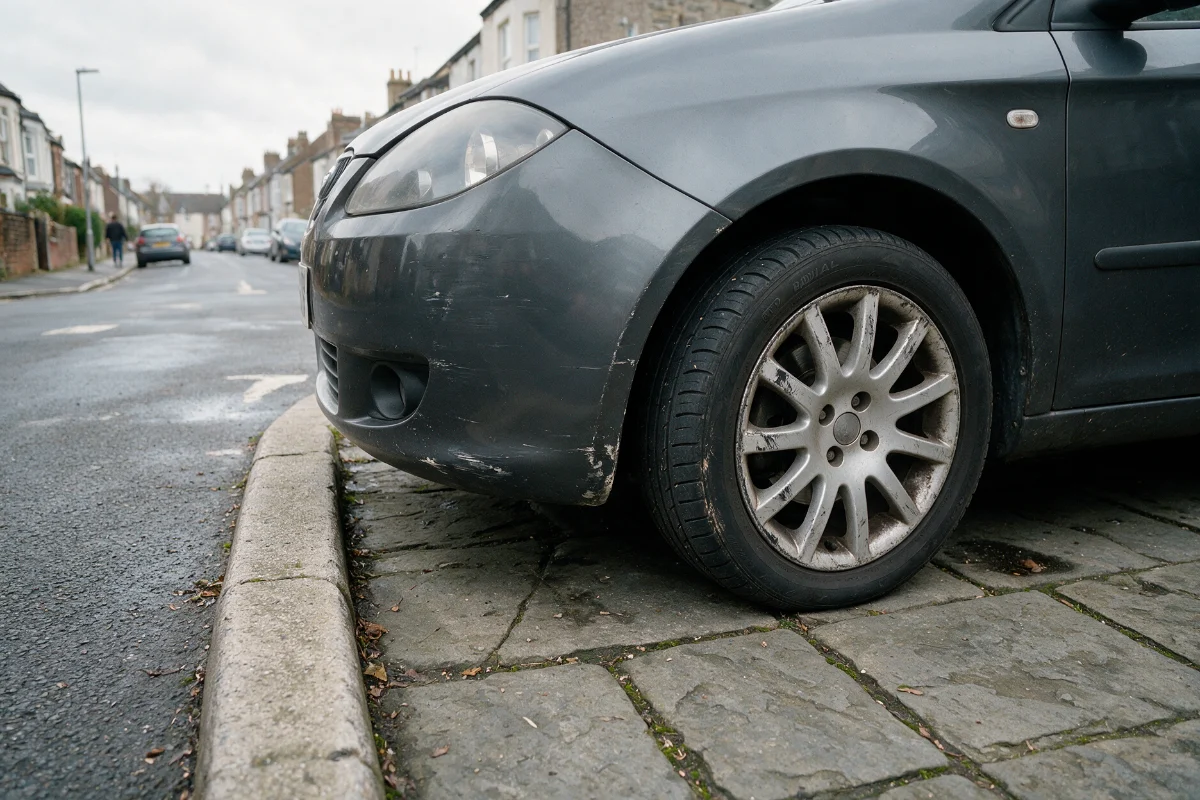
When paying privately is clearly wrong
Three situations make claiming the right answer regardless of the arithmetic, and it is worth naming them plainly.
Anyone was injured. Injury claims run for years and far exceed vehicle damage. Never settle an injury situation privately at the roadside.
The damage may be structural. A car that has taken an impact to a sill, a pillar or a chassis rail needs assessment rather than a price. Structural repair costs escalate past the point where paying privately is realistic, and the car may not be economic to repair at all, which is where the write-off categories become relevant.
The other driver is uncooperative. If they have given details reluctantly, denied what happened, or driven off, put it in the hands of an insurer immediately. Private settlement depends on goodwill that is already absent.
Outside those three, the numbers decide, and the numbers frequently favour paying.
Get a private price first
The sequence that protects you costs nothing and takes a day.
- Photograph the damage properly, in daylight, wide and close, with something for scale.
- Get a written itemised figure from a body shop, with the method named for each panel rather than one total.
- Find your total excess on the policy schedule, compulsory plus voluntary.
- Ask your insurer what a claim would do to your discount and, specifically, whether the premium rises even with protection.
- Compare the recovery against the cost across three renewals, then decide.
- Notify without claiming if anyone else was involved, and have it recorded as a notification.
Step two is the one people skip, and it is the step that makes every other number meaningful. A figure you have not seen in writing is not a figure. Send photographs and we will price the work before you speak to anybody, and what a proper quote should itemise is covered on the bodywork repair page.
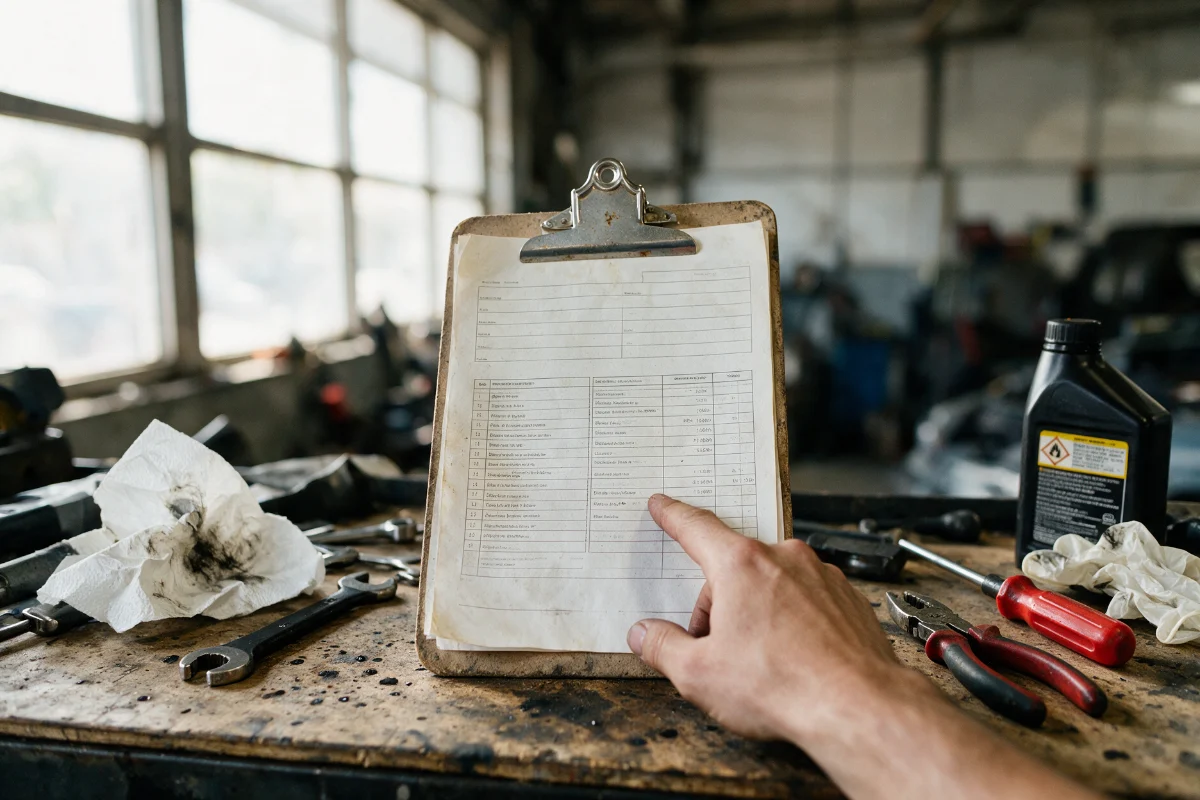
Get the figure before you ring the insurer
Send photographs of the damage with your registration and we will give you a written price, so you can compare it against your excess properly. Unit 4, Wentloog Buildings, Wentloog Road, Rumney, Cardiff CF3 1TH, Monday to Saturday, 9am to 6pm. Ring the workshop, or send the photographs, and we will tell you what your car needs. Most private jobs turn out to be paint work, and what that covers is on car respray and paint repair.
Claim or pay questions we get asked
Will one small claim really change my premium that much?
It changes it for several years rather than one. That is why the comparison has to run across renewals instead of stopping at the excess.
Can I start a claim and then withdraw it?
You can withdraw before the insurer pays anything, but the notification stays on your record and is disclosable. Decide before you open the claim rather than after.
Does a windscreen claim count?
Glass claims are usually handled separately, often with their own excess and without affecting the no claims discount. Check your policy, because the treatment varies by insurer.
If it was not my fault, does the same arithmetic apply?
No. On a non-fault claim recovered from the other driver’s insurer you pay no excess and keep your discount, so claiming is normally right.
Will you give me a figure I can show my insurer?
Yes. Our quotes name the method for each panel and list parts, paint and labour separately, which is the format an insurer needs.
Is it worth claiming if I have protected no claims?
More often than without it, but not automatically. Protection preserves the discount and not the price, and most policies cap how many claims the protection survives.
Get the written figure first. Every other number in this decision is meaningless without it. Call 07400 454839 or use the contact form.