
Non-Fault Accident Repairs in Cardiff
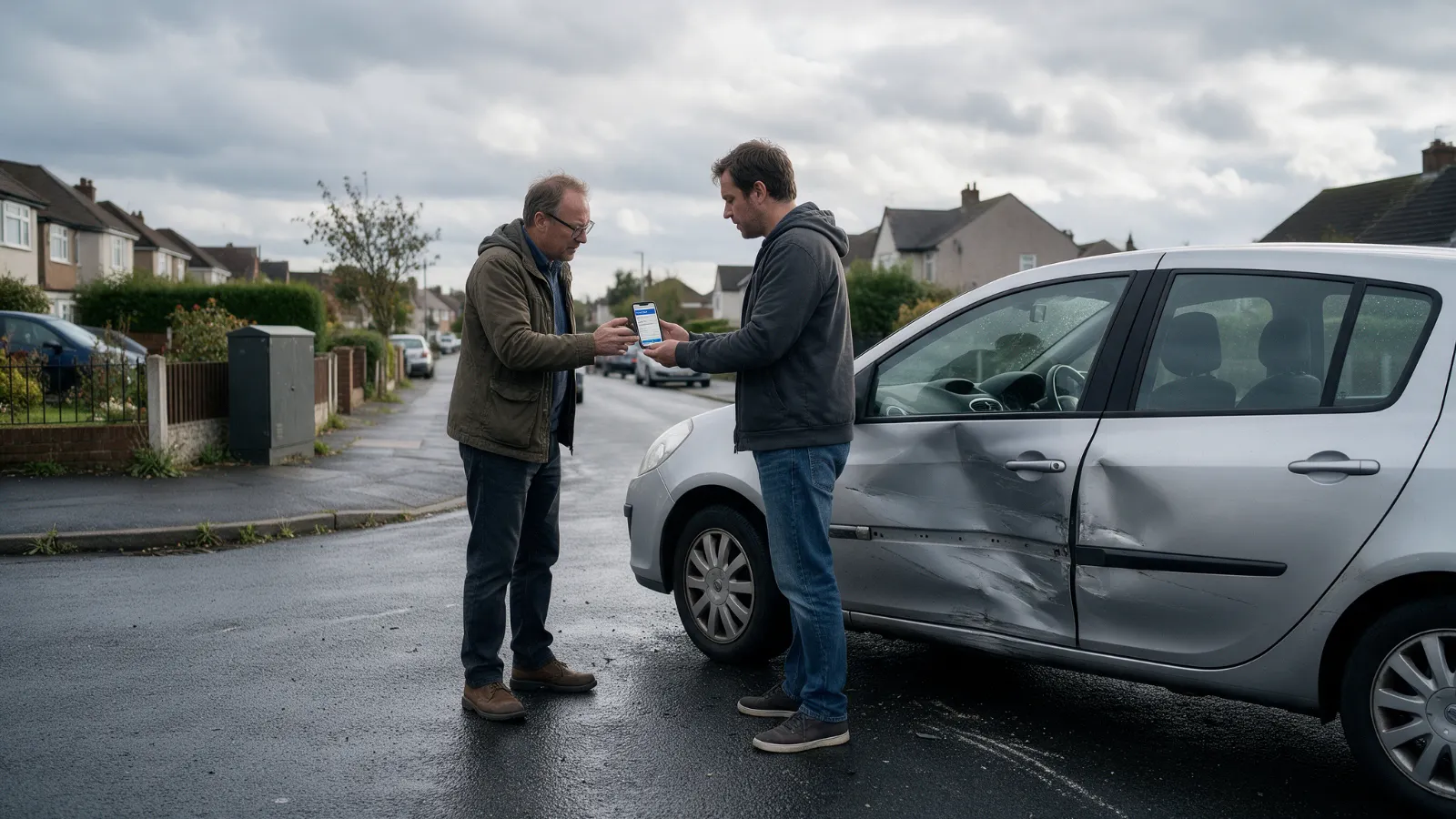
A non-fault accident repair is a repair paid for by the other driver’s insurer, so your excess and your no claims discount stay where they are. The part nobody explains is that your own insurer may still record the accident as a fault claim until the money is actually recovered from the other side. Your car is off the road through somebody else’s mistake, and the paperwork is now your problem. Tell us the accident was not your fault, hand over the other driver’s details and your photographs, and Ali Hindal repairs the car in Rumney while the cost is claimed against their insurer. Settle the replacement vehicle terms before you agree to anything.
What is a non-fault accident repair
A non-fault accident repair is a repair to your car where another identified driver caused the damage and their insurer meets the cost. You do not pay an excess, and the claim should not reduce your no claims discount, because the money comes from the other policy rather than yours. The work is carried out at Cardiff Accident Repair, Unit 4 Wentloog Buildings in Rumney, CF3 1TH, where six work bays and an on-site spray booth sit under one roof and Ali Hindal handles the estimate and the correspondence.
Non-fault means someone else is legally responsible, not simply that you feel blameless. Being hit from behind while stationary, being struck by a car emerging from a side road, and being hit while legally parked are the everyday examples. A collision where both drivers contributed is a split liability claim, and the recovery is proportioned rather than total.
The repair itself is identical to any other job in the Rumney workshop. Same strip down, same method, same paint. What changes is only who is billed at the end, and how long the argument about that takes. The work behind it is described under accident repair in Cardiff.
Do I pay my excess or lose my no claims discount
On a properly handled non-fault claim you pay no excess and keep your discount. That is the position once liability is admitted and the cost is recovered. Before that point, the answer depends on which route the claim takes, and this is where most drivers get an unpleasant surprise at renewal.
The word fault does not mean blame to an insurer. It means the claim cost was not recovered from anybody else. So a claim can sit on your record as a fault claim while liability is still being argued, even though you did nothing wrong. An unprotected no claims discount is commonly cut by two years while that is unresolved, and your renewal quote reflects it.
The correction comes when the recovery succeeds. Once the other insurer pays, your insurer should reclassify the claim, refund any excess you advanced, and restore the discount. Ask for written confirmation of all three, because the reclassification is not always automatic and a renewal quote generated the week before will still carry the old figure.
Protected no claims is worth understanding properly here. Protection stops the discount being reduced. It does not stop the premium rising, because the underwriter still sees an accident on the record and prices the risk accordingly. Those two things get confused constantly, and the difference matters when you are deciding whether to claim at all, which is worked through in claim on insurance or pay for the damage yourself.
How does a non-fault repair claim work
Six steps, and the order protects you at each one.
- Take the other driver’s details at the scene. Name, address, phone number, insurer, policy number if they have it, and the registration. Photograph their documents rather than copying them out.
- Tell your own insurer within 24 hours. Report the accident even though you intend to claim against the other side. Policies require notification of an incident, not only a claim.
- Decide the route. Either claim through your own insurer, who recovers from the other side, or claim directly against the other driver’s insurer. The second route avoids your excess entirely but moves slower when liability is contested.
- Send us the damage and the details. We prepare an itemised estimate naming the method for each panel, and we deal with whichever engineer assesses it.
- Settle the replacement vehicle before the car comes in. This is the decision with the longest tail, and it is covered below.
- Repair, check, collection. The car is repaired, road tested and handed back. On a clean non-fault claim you pay nothing at the counter.
Step three is the one worth thinking about rather than accepting. Going through your own insurer is faster and simpler, and your insurer does the chasing, but you usually advance the excess and wear the fault marker until recovery. Going direct to the other insurer costs you nothing up front and keeps your own record clean, and it is slower and lonelier. Neither is wrong, and the right answer depends on whether you need the car back next week or your renewal kept spotless.

What evidence do I need
Third party insurers dispute liability on thin evidence, not on the facts. The list below is what turns a contested claim into an admitted one, and every item is free to collect at the time. Damage that only appears later still belongs in the claim, which is covered in hidden damage after a minor accident.
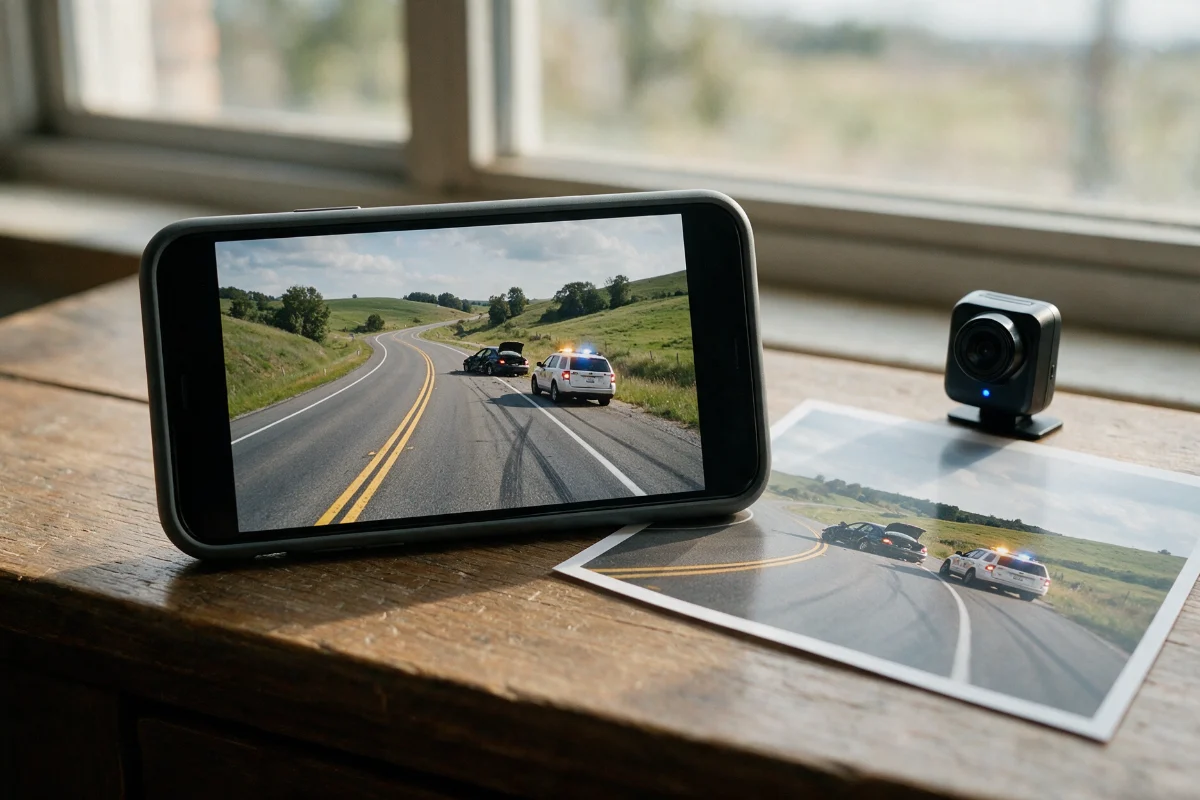
- Photographs of both cars where they stopped, taken before anything was moved. Position proves more than damage does.
- The other vehicle’s registration, photographed rather than written, so the plate is legible in the image.
- The other driver’s name, address and insurer, and the registered keeper if the driver is not the owner.
- Independent witnesses, with a name and a mobile number. A passenger in your own car carries less weight than a stranger who stopped.
- Dashcam footage, saved immediately. Most cameras loop and overwrite within days, so export the file to a phone or a laptop the same evening.
- The road itself: markings, give way lines, a junction, skid marks, debris, a parked van blocking sightlines.
- A police reference number, if the incident was reported.
- The time, written down exactly, because insurers cross reference it against the other driver’s account.
Photographs taken at the scene are worth more than anything produced later, and the ones that decide liability are usually the wide shots rather than the close ups of damage. How to take the set that also gets you a firm repair figure is in photographing car damage for a quote.
Can I get a replacement car
Yes, and this is the part of a non-fault claim that carries real financial risk if you sign the wrong paperwork. You are entitled to be put back in the position you were in before the accident, which normally means a replacement vehicle while yours is off the road, recovered from the other driver’s insurer.
How you get that vehicle matters. A courtesy car provided under your own policy is simple and free, and it is usually a small hatchback rather than anything like your own car. A credit hire vehicle is arranged on your behalf, is often like for like, and comes with an agreement that makes you liable for the hire charges if the recovery from the other side fails or the daily rate is successfully challenged.
Credit hire is not a trap, and it is not free money either. It is a loan of a car against the expectation that somebody else will pay. Read what you sign, ask what happens if liability is disputed, and keep the hire no longer than the repair actually takes, because an inflated hire period is the most common reason a recovery gets cut back. The full comparison, including what happens when you drive for a living, is in courtesy car or credit hire.
Can I choose where my car is repaired
You choose the repairer, and on a non-fault claim that right is stronger rather than weaker. The cost is being recovered from the other driver’s insurer, and as the innocent party you are entitled to have your car repaired properly by someone you trust.
The pressure usually arrives bundled. Within hours of reporting an accident you may be called by an accident management company, sometimes passed on by your own broker, offering a hire car and a repair at no cost to you, with a repairer already chosen. Accepting the repair and declining the hire is allowed. Using your own repairer and their hire arrangement is allowed. Taking none of it and claiming directly is allowed.
What is not sensible is signing a bundle you have not read while standing next to a damaged car. Ask where the car will physically be repaired, who you will speak to, and what happens if the other insurer disputes liability after the work is done. Those three answers separate a service from a sales pitch, and the wider argument is set out in can I choose my own bodyshop.
What if the other driver disputes fault
Disputed liability slows the claim, it does not end it. Insurers argue about apportionment far more often than they argue about whether an accident happened, and the argument is settled on evidence rather than on who sounds more certain.
Three things move a disputed claim. Independent witness evidence, because it is the hardest thing for the other side to explain away. Dashcam footage, for the same reason. And the physical damage itself, which tells an engineer the direction and the force of the impact, and frequently contradicts the account the other driver has given.
While it is unresolved you have a choice to make about the car. Waiting keeps your record clean but leaves you without a vehicle, sometimes for months. Claiming on your own policy gets the car repaired now and accepts the temporary fault marker and excess, both of which should be reversed on recovery. If the other driver is admitting nothing and you need the car, the second route is usually the practical one, and the correction is the thing to chase afterwards.
Your insurer’s decision to settle on a split, or to accept a claim you believe was winnable, is something you can complain about. Use the insurer’s formal complaints process first, then the Financial Ombudsman Service once you have a final response or eight weeks have passed. The service is free to consumers.
What if the other driver was uninsured or drove off
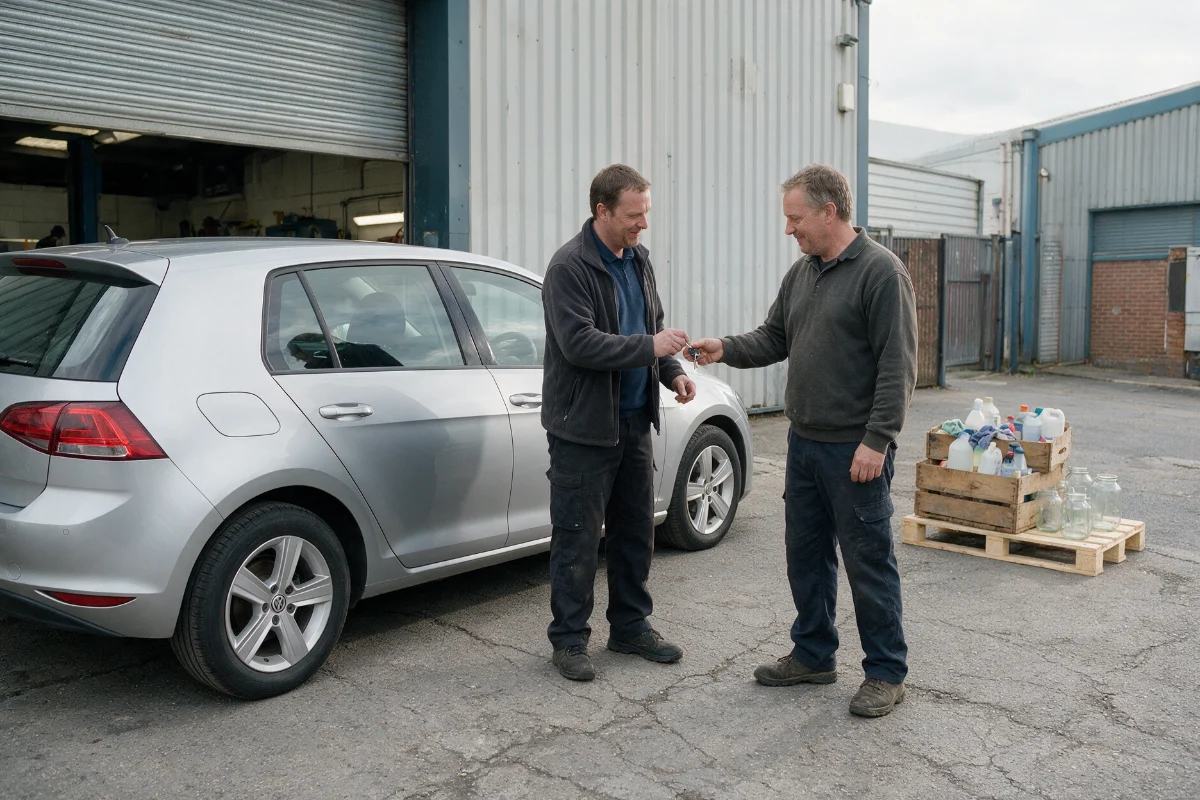
You still have a route, and it is not your own excess by default. Claims involving uninsured drivers and untraced drivers are handled through the Motor Insurers’ Bureau, which exists precisely for this and is funded by a levy on every insurance policy in the country.
Two things decide how smoothly it goes. The first is whether you reported the incident to the police, which is a requirement for an untraced driver claim and is expected in an uninsured one. The second is the registration number, because an uninsured driver who can be identified is a very different case from a driver who cannot be found at all.
Report it to the police straight away, tell your own insurer, and keep every photograph. If you took the registration of a car that drove off, say so on the first call rather than the third, because a partial plate plus a make, model and colour is often enough to trace a vehicle while the trail is warm. The full evidence and claim route is set out in hit by an uninsured or hit and run driver.
Getting a non-fault repair started in Cardiff
Send photographs of the damage with the other driver’s details and we will tell you what the repair involves and how long the car will be with us. The workshop takes non-fault work from across Cardiff, Newport, Penarth, Barry and Caerphilly, and the drive times are on the areas we cover page.
Ring before you move a car that cannot be driven safely. Recovery from the scene of an accident is frequently paid for by the insurer handling the claim, and arranging it yourself after the fact is the version that costs money.
Hit by someone else?
Send us the damage and the other driver’s details and we will tell you what the repair needs and what to settle before you agree to a hire car. Unit 4, Wentloog Buildings, Wentloog Road, Rumney, Cardiff CF3 1TH, Monday to Saturday, 9am to 6pm. Ring the workshop, or send the photographs, and we will tell you what your car needs.
Non-fault claim questions we get asked
Will a non-fault claim affect my premium?
It can, even when the discount is untouched. Underwriters price on accident history as well as on claims history, so an accident you did not cause can still appear at renewal. Shop around rather than accepting the first figure.
Do I have to use my own insurer at all?
No. You can claim directly against the other driver’s insurer, which avoids your excess and keeps the claim off your own policy as a claim. You must still notify your insurer that the accident happened.
How long does a non-fault claim take?
The repair takes the same time as any other. The claim around it takes from a fortnight, where liability is admitted quickly, to several months where it is contested.
Who pays my excess if I claim on my own policy?
You advance it, and your insurer recovers it from the other side with the rest of the cost. Ask for confirmation in writing when it is refunded, and check the claim has been reclassified at the same time.
What if I only have a partial registration?
Give it to the police and your insurer anyway, with the make, model, colour and direction of travel. Partial plates are traced regularly, and the chance falls away the longer you wait.
Can you deal with the other driver’s insurer for me?
We deal with whichever engineer assesses the car and we defend the repair method. Liability itself is settled between the insurers, or by you directly if you are claiming without your own.
Send the damage and the other driver’s details, and settle the hire car terms before anything is signed. Call 07400 454839 or use the contact form.