
Courtesy Car or Credit Hire: Which Replacement Car Are You Entitled To?
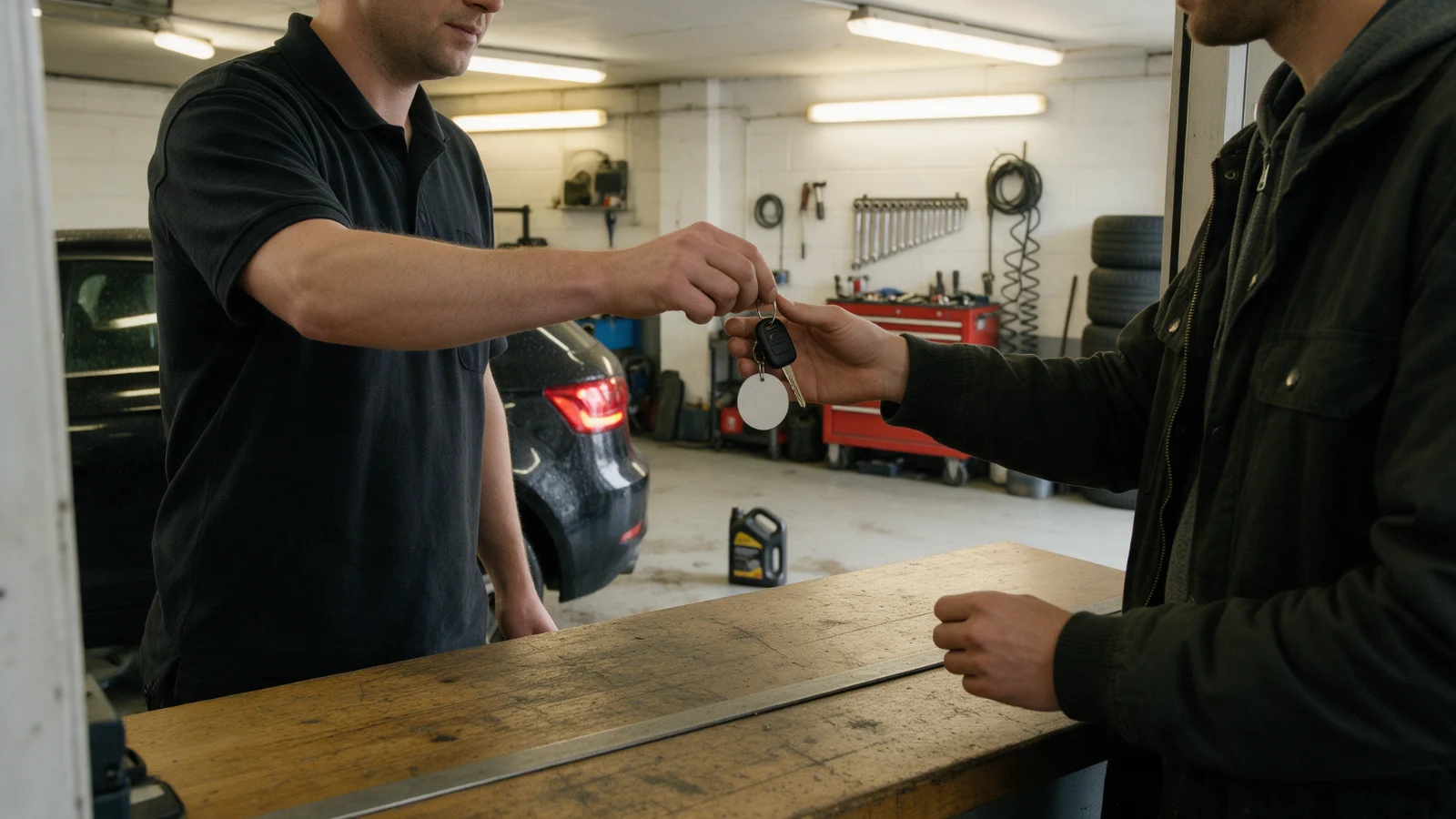
A courtesy car comes from your own policy or your repairer and costs you nothing. A credit hire car is supplied on credit against the expectation that the other driver’s insurer will pay, and you sign an agreement that leaves you liable if that recovery fails. Being handed keys to a nicer car than your own, minutes after an accident, with a clipboard and no time to read, is how most of these agreements get signed. Your own car is off the road and somebody is offering you a better one, free. The two options are offered in the same breath and carry completely different risk. This guide sets out what each one is, what you are signing, and what happens when it goes wrong.
What is a courtesy car
A courtesy car is a replacement vehicle supplied free while your car is repaired, provided either under your insurance policy or by the body shop doing the work. You sign for the vehicle and the insurance covering it, and there is no hire charge and no credit agreement behind it. Cardiff Accident Repair works from Unit 4 Wentloog Buildings in Rumney, CF3 1TH, with six work bays and an on-site spray booth, and Ali Hindal will tell you honestly what is available before your car is booked in.
The limits are worth knowing in advance. A policy courtesy car is usually a small hatchback rather than anything matching your own vehicle, so a family estate becomes a city car for a fortnight. Many policies only provide one if you use an approved repairer, which is a condition worth checking before you choose where the car goes. It is normally available only while the car is actually being repaired, not while you wait for an insurer to authorise the work.
That last point catches people out constantly. The days spent waiting for an engineer to assess the claim are frequently not covered, because the repair has not started, and those can be the longest days of the whole process.
What is credit hire
Credit hire is a replacement vehicle supplied to you on credit after a non-fault accident, where the hire company recovers its charges from the at-fault driver’s insurer rather than billing you up front. You sign a hire agreement, the car arrives quickly, and no money changes hands at the time.
The principle behind it is sound. If somebody else damaged your car, you are entitled to be put back in the position you were in, which includes having a vehicle of a similar kind while yours is repaired. Credit hire exists because insurers would not otherwise provide a like for like replacement to someone who is not their customer.
The mechanism is where the risk sits. You are the hirer. The hire company’s contract is with you, not with the other insurer, and it recovers from that insurer on your behalf. Where recovery succeeds in full, the arrangement costs you nothing and works exactly as described. Where recovery fails or falls short, the contract you signed determines who covers the difference.
An industry protocol called the General Terms of Agreement lets many insurers and hire companies settle these claims at agreed rates rather than fighting each one. It smooths a great deal of this, and it does not apply to every company or every claim. Where the other driver is uninsured or untraced there is nobody to recover hire charges from, which changes the picture; that is covered in uninsured and hit and run claims.
Courtesy car against credit hire
| Courtesy car | Credit hire | |
|---|---|---|
| Who provides it | Your insurer or your repairer | A credit hire or accident management company |
| Who pays | Nobody bills you | Recovered from the at-fault insurer |
| What you sign | A vehicle loan and insurance declaration | A credit hire agreement, which is a contract for charges |
| Vehicle supplied | Usually a small hatchback | Often like for like with your own car |
| When it is available | Commonly only while the repair is under way | From soon after the accident, including the wait |
| Who must be at fault | Either party, depending on your policy | The other driver, or there is nothing to recover |
| Your exposure if it goes wrong | None in normal circumstances | The hire charges, if recovery fails |
| Daily rate | Not applicable | High, and frequently challenged by the paying insurer |
Neither column is the trap. A courtesy car is smaller and safer. Credit hire gives you a proper replacement and carries a contingent liability. The mistake is not choosing credit hire, it is choosing it without knowing which column you are in, which is a live risk when both are offered in the same phone call. Your right to choose the repairer is separate from all of this and is covered in can I choose my own bodyshop.

What are the risks of a credit hire agreement
Five things turn a free replacement car into a bill, and every one of them is foreseeable.
- Liability is disputed or split. If the other driver denies fault, or the claim settles on a shared basis, the full hire cost may not be recoverable. The shortfall is a contractual matter between you and the hire company.
- The daily rate is challenged. Credit hire rates sit well above ordinary rental rates. Paying insurers frequently argue the figure down to a basic hire rate, and the gap has to go somewhere.
- The hire runs longer than the repair. You have a duty to keep your losses reasonable. A car kept for six weeks on a two week repair invites the recovery to be cut, and an insurer will not pay for a delay nobody can justify.
- You did not actually need a vehicle. If you had another car available, or barely drive, the need for a like for like replacement is harder to establish.
- The paperwork was not explained. Signing without being told you are entering a credit agreement is the complaint that turns up most often, and it is much easier to avoid than to unpick.
None of this makes credit hire wrong. It makes it a financial product rather than a courtesy, and it deserves the same attention you would give to any other agreement with your name on it.
What to ask before you sign anything
Six questions, asked on the phone, settle the whole thing.
- Is this a courtesy car or a credit hire vehicle? Make them use the words. The answer changes everything that follows.
- Am I signing a credit agreement? If yes, ask for it by email so you can read it before anyone arrives.
- What is the daily rate, and for how long? A hire with no stated rate is not one you can assess.
- What happens if liability is disputed? Ask specifically who pays the charges if the other insurer refuses or reduces them.
- Is there a shortfall policy or insurance behind it? Many reputable hire arrangements include cover for exactly this. Get the answer in writing.
- What happens if the repair takes longer than expected? Confirm the hire is tied to the actual repair period.
Ask the questions before the car is delivered, because the leverage disappears the moment you are driving it. And take a photograph of what you signed. What the repair schedule realistically looks like, which determines how long you need a vehicle at all, is set out in how long accident repair takes.
What if I drive a taxi or van for work
Loss of use is a bigger claim than the repair when the vehicle earns money, and it is handled differently. A private hire driver off the road is losing income daily, and a tradesman without a van is turning down work.
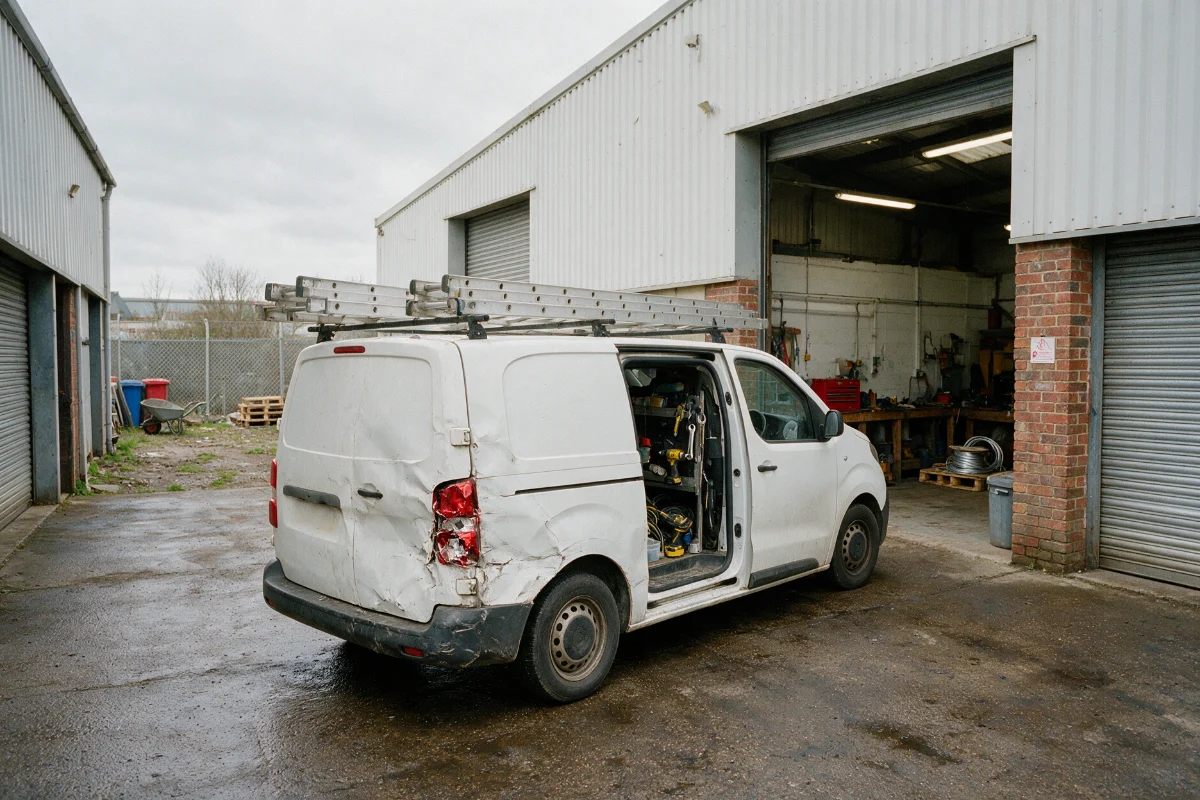
Two routes exist. A like for like replacement, meaning a licensed taxi or an equivalent van, keeps you trading and costs more to hire, which is precisely why credit hire companies specialise in it. Alternatively you can claim for loss of profit, supported by accounts, booking records or invoices showing what the downtime actually cost.
You cannot claim both for the same period, and the second route demands evidence most people do not keep as they go. Start recording from day one: jobs turned down, fares not taken, the rate you normally earn.
For a licensed taxi there is a further complication. A replacement vehicle has to satisfy the licensing authority, and in Cardiff that means a vehicle meeting the council’s requirements with the correct plate. A standard hire car does not make you legal to carry passengers, however like for like it looks.
How to arrange a replacement car with your repair
Settle this before the car is booked in, not on the morning you drop it off.
- Check your own policy first. Find out whether a courtesy car is included, what size it is, and whether it depends on using an approved repairer.
- Tell us at the quote stage that you need a vehicle throughout, so the Rumney workshop plans the repair around the parts lead time rather than around the booking.
- On a non-fault claim, decide the route deliberately. Your own courtesy car, or a like for like replacement recovered from the other side.
- Get the terms in writing before anything is delivered, including who pays if the recovery is refused.
- Return it as soon as your car is ready. Every extra day weakens the recovery and can end up as your bill.
The replacement vehicle belongs to the same conversation as the repair when you claim against the other driver’s insurer, and it is the part with the money in it. Both are covered under non-fault accident repairs.
Need a car while yours is repaired?
Tell us at the quote stage and we will plan the repair around it, and tell you plainly what your policy does and does not cover. Unit 4, Wentloog Buildings, Wentloog Road, Rumney, Cardiff CF3 1TH, Monday to Saturday, 9am to 6pm. Ring the workshop, or send the photographs, and we will tell you what your car needs.
Replacement car questions we get asked
Is a credit hire car really free?
Free to you only if the recovery from the other insurer succeeds in full. The agreement you sign is what decides who pays if it does not.
Can I refuse the hire car and still have the repair done?
Yes. The repair and the replacement vehicle are separate decisions, and you can accept one and decline the other.
Will I get a car like mine?
On credit hire, usually. On a policy courtesy car, usually not. That difference is the main reason credit hire exists.
Do I get a courtesy car if I use my own repairer?
It depends on your policy. Many policies only include one when you use an approved repairer, so check before you decide where the car goes.
How long can I keep a credit hire car?
For the period your car is genuinely off the road. Keeping it beyond that risks the recovery being reduced and the balance falling to you.
What if I am partly at fault?
Recovery is proportioned, so part of the hire cost may not be recoverable. Ask the hire company directly what happens on a split liability outcome before you sign.
Ask whether it is a courtesy car or a credit hire before you take the keys, and ask who pays if liability is disputed. Call 07400 454839 or use the contact form.