
Hit by an Uninsured or Hit and Run Driver
Being hit by an uninsured or untraced driver means there is no other insurer to bill, so the money comes from your own policy or from the Motor Insurers Bureau, and what you do in the first hour decides which. The repair is the simple part. Proving what happened is where people lose. You are standing at the roadside, shaken, looking at a car that is not going anywhere and a space where the other driver used to be. Get the evidence now, report it to the police today, and bring the car to the Rumney workshop, where Ali Hindal will give you a written quote after the strip down that stands up to whoever ends up paying.
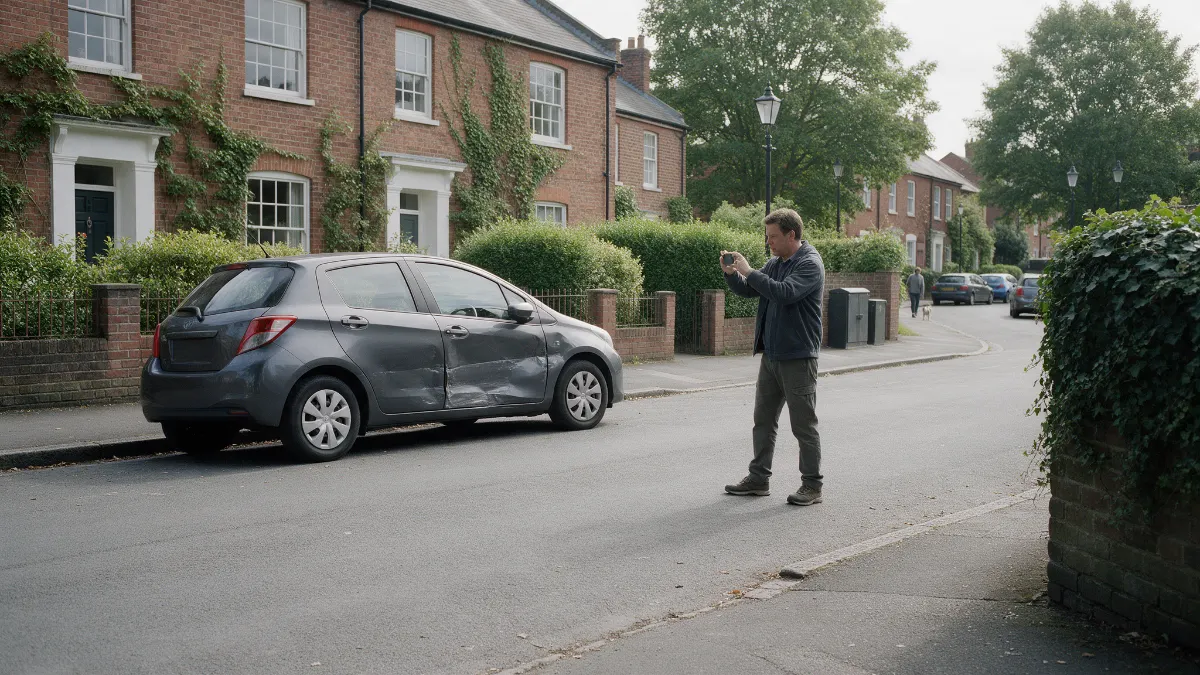
What counts as an uninsured or untraced driver
An uninsured driver is one you can identify who had no valid insurance, and an untraced driver is one who left the scene and cannot be identified at all. The two produce different claims, and the second is harder, so knowing which you have changes what you do next.
You have an uninsured driver when you took the registration, and a check shows the vehicle had no cover. You have an untraced driver when nobody stopped, or when the details given turn out to be false. A partial registration still counts as a lead rather than a dead end, so hand it over anyway with the make, model, colour and the direction the car went.
A middle case catches people out. A driver who stops, gives a name and a number, then turns out to be driving somebody else’s car without permission is treated as uninsured, not untraced, because you can identify the vehicle. Whichever you have, the damage itself goes through the same process as any other job, described on accident and crash repair in Cardiff.
What should you do in the first hour
Photograph everything, find witnesses, and call the police before you move the car, in that order. Everything that matters to your claim exists at the scene for a few minutes and then it is gone.
- Photograph the scene before anything moves. Wide shots showing the road, both positions, and any debris. Then close shots of the damage. Then anything with a camera on it: a shop frontage, a bus stop, a house with a doorbell camera.
- Write down the registration immediately. Even a partial one. Memory for number plates decays within minutes, and a partial plate plus a colour and model is traceable.
- Ask the people standing nearby for a phone number. Not a statement, just a number. Witnesses walk away in under two minutes and they are almost never found again.
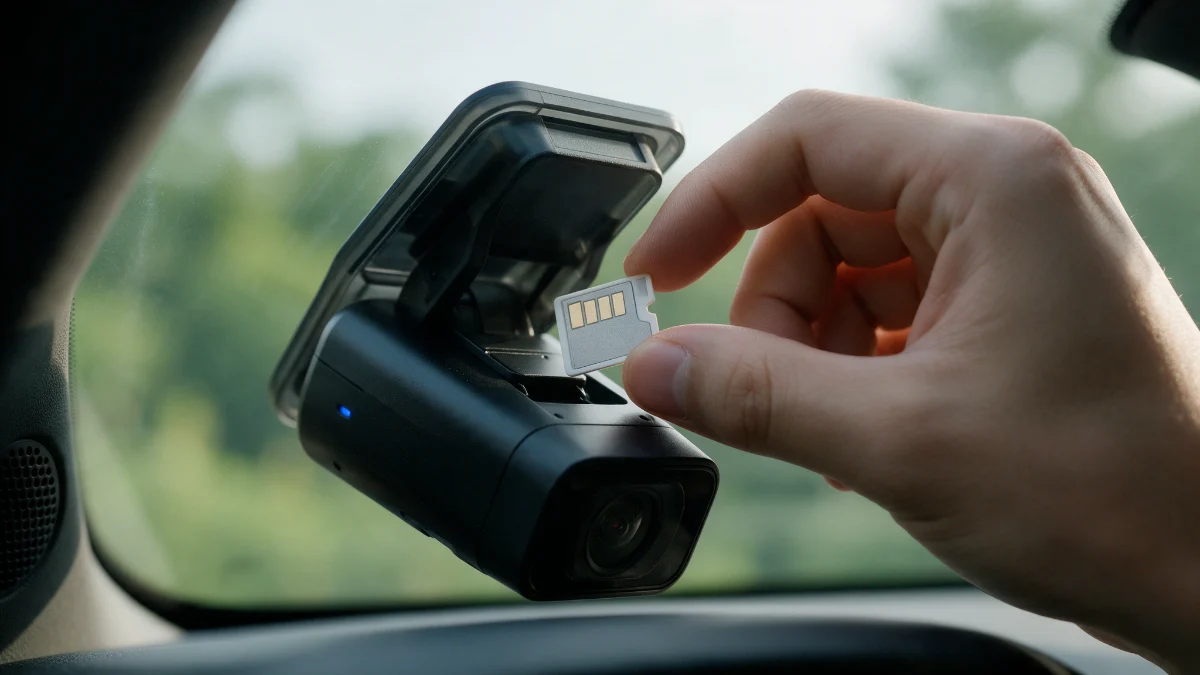
- Save your own dashcam footage off the device. Most dashcams loop and overwrite. Pull the card or lock the file at the scene rather than at home.
- Report it to the police the same day and get the reference number. A Motor Insurers Bureau claim needs a police report, and the agreement sets a deadline, so same-day removes the argument. Check the MIB site for the current requirement before you file.
- Tell your own insurer, even if you do not intend to claim. Not telling them is a policy breach in its own right, separate from any claim.
Once that is done the car can be recovered. What to photograph so a workshop can quote from it, rather than just evidence for an insurer, is set out in photographing car damage for a quote.
Who pays when the other driver has no insurance
Three routes exist: your own comprehensive policy, a claim against the Motor Insurers Bureau, or your own pocket. Which is best depends on your excess, your no claims discount and whether you have uninsured loss recovery cover.
Your own comprehensive policy is the fastest. The car gets repaired, you pay your excess, and your insurer tries to recover the money afterwards. Until they recover it, the claim normally sits on your record as a fault claim, which is the same trap that catches drivers in a straightforward non-fault accident. That mechanism is worked through on non-fault accident repairs.
The Motor Insurers Bureau exists for cases where there is nobody else to bill. It is funded by insurers and it handles both the identified uninsured driver and the untraced one. It is slower than an ordinary claim and it asks for more from you, which is why the evidence from the first hour matters so much. Rules and limits change, so read the current requirements on the MIB site rather than relying on what a forum said two years ago.
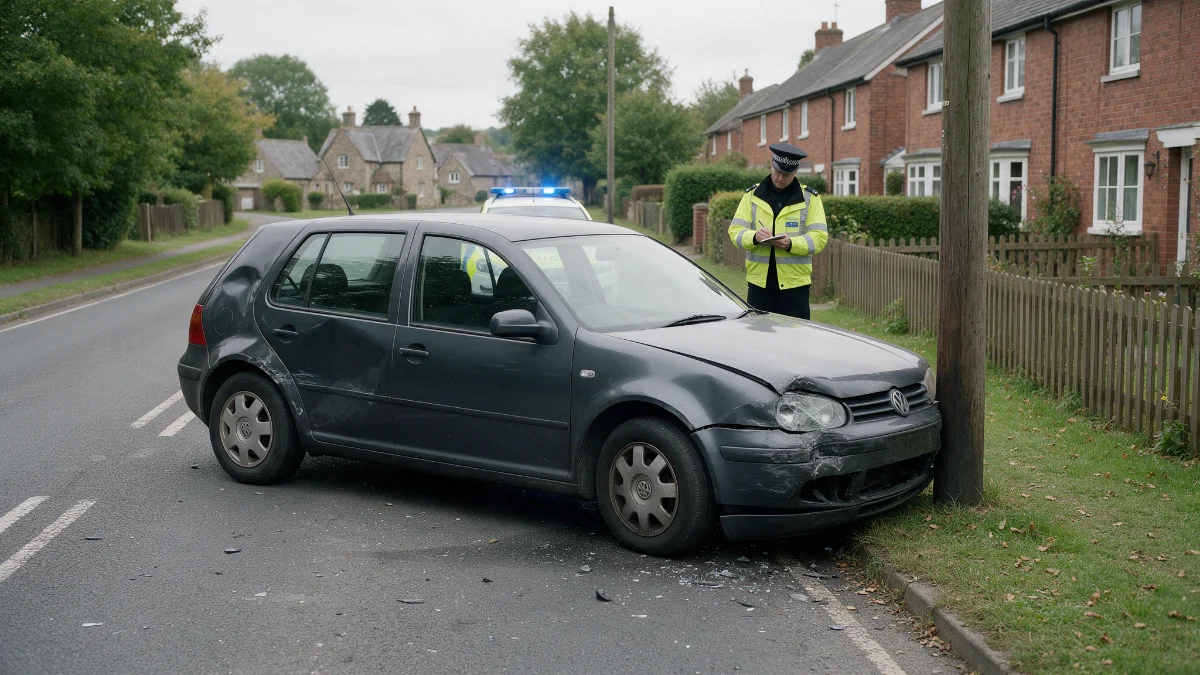
Will you lose your excess and your no claims discount
You will pay your excess on your own policy and you can lose discount until the money is recovered, which on an uninsured or untraced claim may be never. That is the honest position and it is the reason people hesitate before claiming.
Two things change it. An uninsured driver promise, which a lot of comprehensive policies now include, refunds your excess and protects your discount when you can identify the other vehicle and show it was not your fault. Read your policy wording for that, because it usually requires the registration.
Uninsured loss recovery, which is often a cheap add-on, pays a solicitor to chase the losses your policy does not cover. Plenty of drivers are paying for it without knowing. Check your schedule before you make a decision about claiming at all, because it changes the arithmetic. The broader claim or pay decision is worked through in claim on insurance or pay for the damage yourself.
How do you find out whether the other car was insured
The Motor Insurance Database is the official record, and askMID lets you check whether a registration was insured, which is the first thing to do once you have a plate. It tells you whether cover existed, not who the insurer is.
A vehicle the database shows as insured turns your claim into an ordinary third party claim, and the other insurer pays. If it says no cover was found, you are into the uninsured route. Print or screenshot the result with the date on it, because the database is live and the answer today is not evidence of the answer last Tuesday.
The police can go further than you can. Give them the partial plate, the colour, the model and the direction of travel, and ask whether any local cameras are being reviewed. They will not usually tell you what they find, but the record of your report is what the MIB will want to see.
What evidence actually changes the outcome
Independent evidence changes outcomes and your own account rarely does, because every claim has two accounts and only one of them can be checked. Rank your effort accordingly.
Dashcam footage is the strongest, yours or a witness vehicle’s. Then independent CCTV, which is rarely released to you directly but is often preserved for the police or an insurer if you ask in writing quickly. Then a named witness with a phone number. Then photographs with timestamps and context. Your written recollection sits at the bottom, which does not mean skip it, it means write it the same evening while it is accurate.
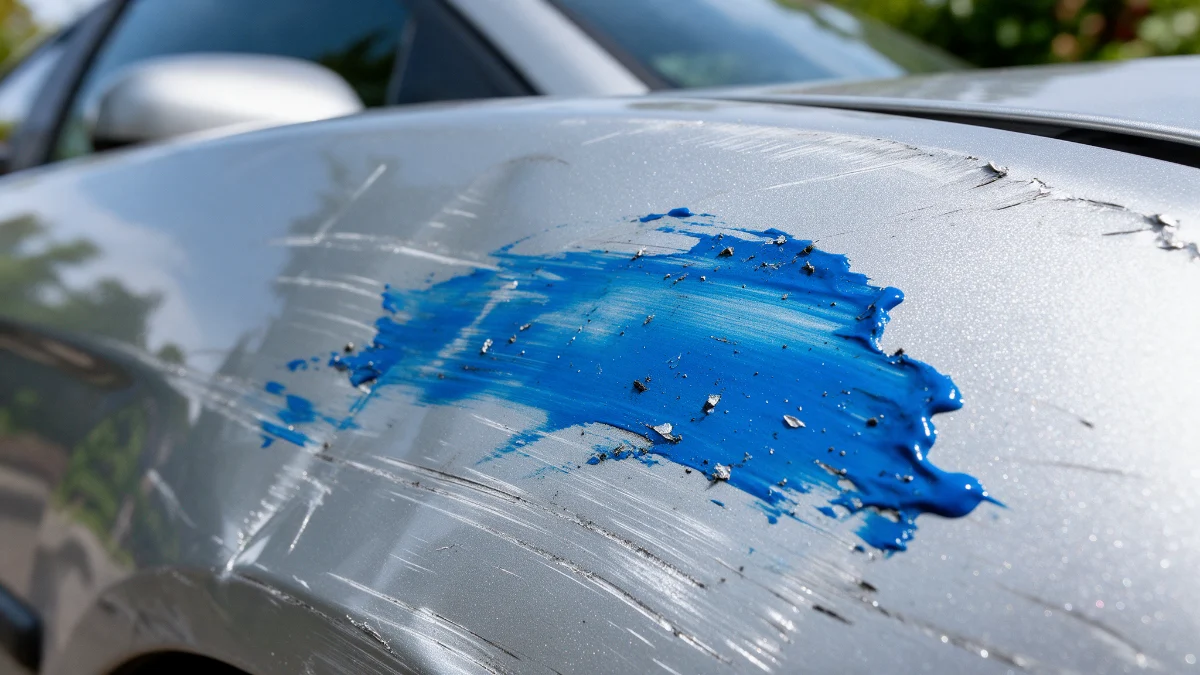
Paint transfer is the piece people throw away. If another car left colour on your panel, photograph it close up before anything is cleaned or touched, because a paint sample can tie a specific vehicle to your car later. We will not wash a panel before photographing it for exactly this reason. The same preservation logic applies to anonymous car park damage, covered in car park damage and who pays.
What will the police actually do
The police will record the incident and give you a reference, and they will investigate further only where there is injury, a traceable lead or a camera worth reviewing. Knowing that in advance stops you expecting a doorstep arrest and missing the thing that does matter, which is the record itself.
Report it through 101 or online rather than 999 unless somebody is hurt or the road is blocked. Give the time to the minute if you can, the exact location, the direction of travel, and anything about the other vehicle including damage it will now be carrying. A car that hit yours hard enough to do real damage has its own mark on it, and that is a searchable detail.
Ask two questions when you report. Whether the reference you are given is a crime reference or an incident log number, because claim forms ask for a specific one. And whether local authority or private cameras cover that spot, since a preservation request from the police carries weight that yours does not. Keep the reference somewhere you will find it in three months, because that is when it gets asked for.
How long does a claim like this take, and what about the car
An uninsured or untraced claim takes considerably longer than an ordinary one, often months, while the repair itself takes the same time as any other job of that size. Those two timelines are separate, and you do not have to wait for the first before starting the second.
The practical question is who authorises the work. On your own comprehensive policy, your insurer authorises it and you pay your excess. On a Motor Insurers Bureau route, you may be asked to get the car assessed before repair, so do not have it repaired first and ask afterwards.
Ask about a replacement vehicle at the same time, and get the terms in writing before you accept anything, because the difference between a courtesy car and a credit hire agreement is a difference you can be liable for. That difference is set out in courtesy car against credit hire. Repair timelines themselves are in how long an accident repair takes.
Get the car looked at in Cardiff
We are at Unit 4 Wentloog Buildings, Wentloog Road, Rumney, Cardiff CF3 1TH, Monday to Saturday, 9am to 6pm, with six work bays and an on-site spray booth. Send photographs of the damage before anything is cleaned, and tell us whether an insurer or the Motor Insurers Bureau will be assessing the car, because that changes the order we work in. Drivers reach us easily from across Cardiff and the towns nearby.
Uninsured and hit and run questions we get asked
Is it worth reporting a hit and run with no registration?
Yes. A report with the time, place, vehicle colour and direction is what lets the police check cameras, and the reference number is what a Motor Insurers Bureau claim needs. Without a report there is usually no claim at all.
Will my premium go up if the other driver was uninsured?
It can, because underwriters price on accident history as well as fault. If your policy includes an uninsured driver promise and you have the registration, your discount should be protected. Shop around at renewal rather than accepting the first figure.
Can I claim if the other driver gave false details?
Yes, and it is treated as an untraced claim once the details turn out to be false. Report the false details to the police as part of the same report, because giving them is an offence in itself.
How do I check whether a car is insured?
Use askMID, the public lookup for the Motor Insurance Database, with the registration. Screenshot the result with the date showing, because the database reflects today rather than the day of the accident.
Should I get the car repaired before the claim is settled?
Not without asking first. Some routes require the car to be inspected in its damaged state, and repairing it first can cost you the claim. Get the authorisation position in writing, then book the work in.
What if the car is not driveable?
Tell us when you call and we will talk through recovery. Do not leave a damaged car somewhere it will be moved or scrapped before it has been inspected, because that removes the evidence along with the car.
Photograph the scene, get a police reference the same day, and send us the damage before anything is cleaned. Call 07400 454839 or use the contact form.