
Accident Repair for Pontypridd Drivers
Damage caused by the surface of the A470 is not a claim against Rhondda Cynon Taf, because the A470 is a trunk road and the highway authority for it is the Welsh Government rather than the council. Drivers lose weeks writing to the wrong body, and by the time the letter comes back the defect has been filled and the evidence has aged. The repair side is simpler. The run down to our Rumney workshop, with its on-site spray booth, is thirty to thirty five minutes off peak, and if your car is off the road we would rather you rang before it attempts the A470. Ali Hindal gives you a written quote after the strip down rather than a figure from a photograph.
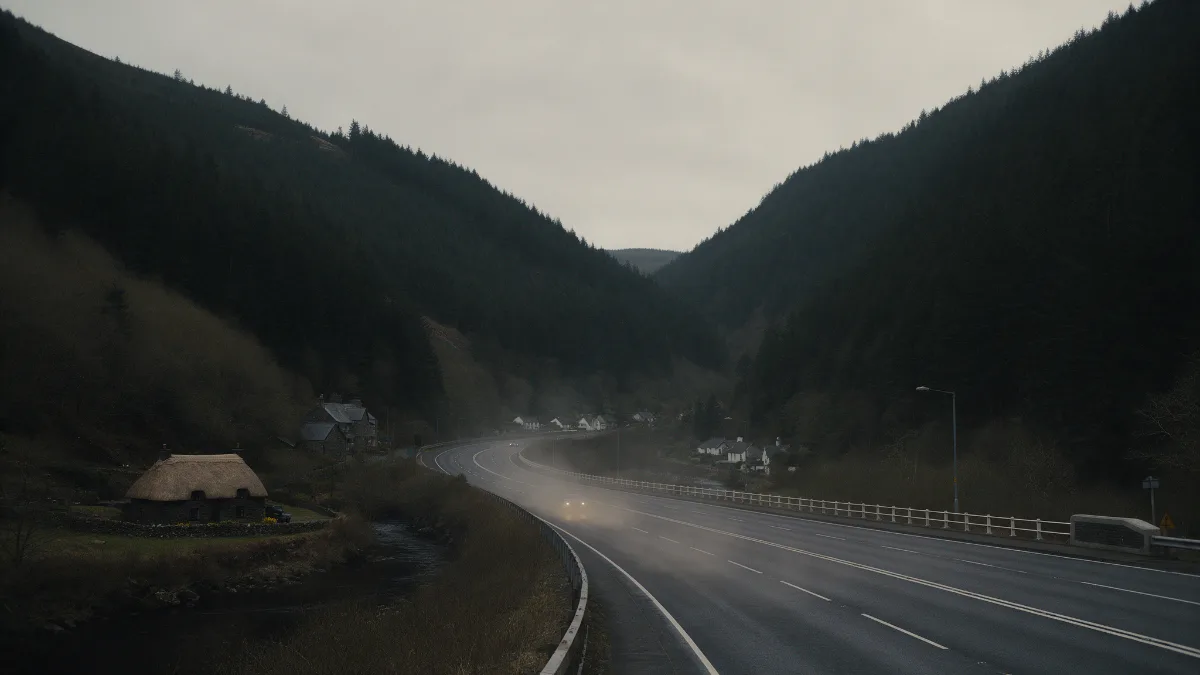
How long is the run down the A470
Thirty to thirty five minutes off peak, down the A470 to the Coryton interchange, round onto the A48 and east to Rumney. Add fifteen to twenty minutes at commuting times, nearly all of it on your run between Taffs Well and Coryton.
Rumney is on the far side of Cardiff from the A470, so you cross the top of the city rather than going through it. The A48 does that work, and once you are on it the remaining run is straightforward.
The A470 is the wrong road on which to discover that a car is marginal, because there is nowhere sensible to stop for long stretches of it. Ring before you set off. Directions from each approach, and what to do when the car cannot be driven, are on the areas we cover.
Why A470 damage is heavier than town damage
Speed. A collision at dual carriageway speed puts load through the bumper into the rails and the floor behind it, where a town knock stops at the panel.
The pattern that comes down from this direction most is the rear shunt in queueing traffic, where a line of cars stops and the one at the back does not. The damage you can see is a bumper. The damage you are paying for is frequently a crash bar, a boot floor section and a rear panel, plus paint across two or three panels to make the repair invisible.
The second pattern is debris and stone strikes, which on a valley road with a lot of heavy traffic means windscreens, bonnet leading edges and front bumpers. Neither pattern can be priced from outside the car, which is why the bumper comes off first. What a light impact can hide is set out in hidden damage after a minor accident.
Who is responsible for the A470 surface
The Welsh Government, through the South Wales Trunk Road Agent, because the A470 is a trunk road and trunk roads in Wales are not council roads. Rhondda Cynon Taf County Borough Council is the authority for town streets, estate roads and most local routes.
The practical consequence is that a commute from Pontypridd into Cardiff crosses two highway authorities, and the one you claim from depends entirely on where the wheel met the pothole. People write to the council because the council is the body they know, wait six weeks, and get a letter telling them to write to somebody else. Check before you post anything.
Whichever authority it is, the claim is decided on evidence and on the inspection defence. Photograph the defect with something in shot for scale, record the date, the time and the direction of travel, keep the invoice, and expect to be told the road was inspected to a reasonable standard. Where a wheel is the casualty, what putting it right involves is on alloy wheel refurbishment.
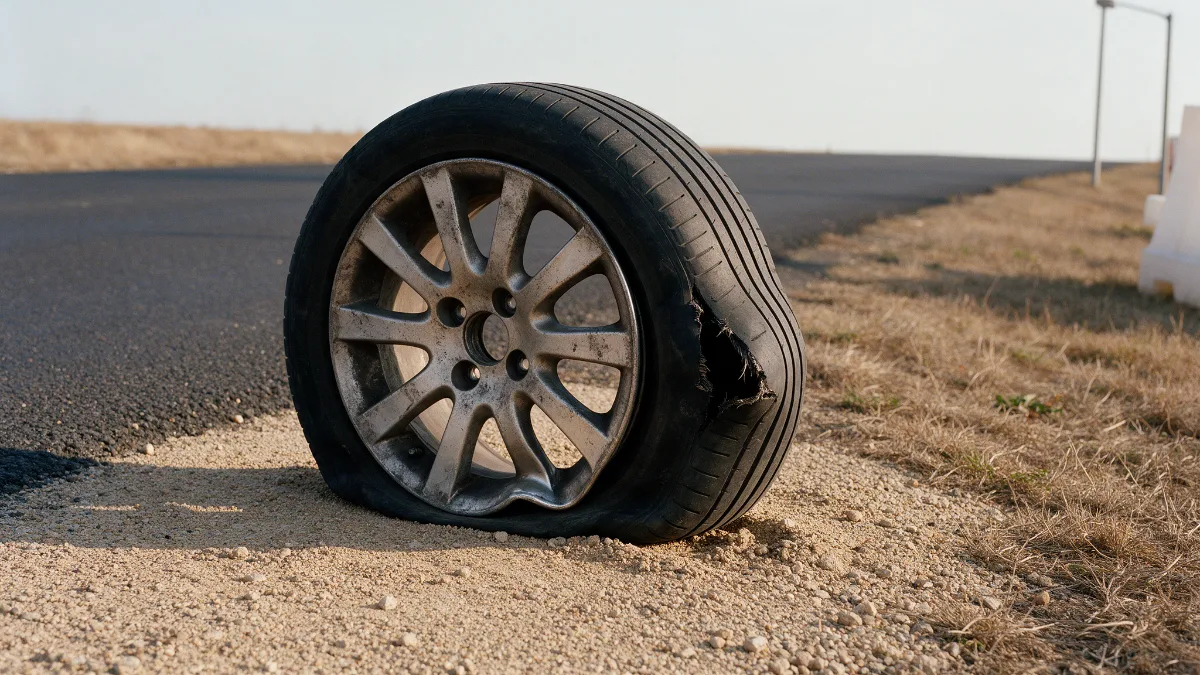
Valley roads in winter
The damage changes with the weather. Standing water, leaf fall and shaded surfaces that stay wet all day make the side roads off the valley floor less forgiving to you than the same roads in July.
Two things follow. Low speed contact rises, because your stopping distance on a cold wet surface on a slope is longer than you are driving for. And the road surface itself deteriorates, because water getting into a crack and freezing is how a crack becomes a pothole. The worst months for wheels are the ones after the first hard frost.
Grit does the slower damage. It chips the paint on your sills, your arch lips and the leading edge of your bonnet, and once the film is broken the salt that follows works at it all winter. A chip dealt with in October is a touch of paint. The same chip in April is a panel.
Commuting out of the county and claiming at home
It makes no difference to the claim where the repair happens. An insurer settles on the estimate and the engineer assessment, not on which county the workshop stands in.
What does matter is which policy the claim runs through. If the other driver was at fault, claim through their insurer rather than your own, because a claim on your own policy is recorded as a fault claim until your insurer recovers the money from theirs. Until that recovery lands, an unprotected no claims discount takes the hit as though the accident was yours.
That correction is not automatic and nobody writes to tell you it has happened. The mechanism, and what to ask your insurer at the start, is on non-fault accident repairs.
If the car cannot make it down the valley
Do not attempt the A470 in a car you are unsure about. Call your insurer or breakdown provider and have it recovered, because a car that stops on a dual carriageway with no hard shoulder is a danger to everybody behind it.
Where recovery takes it first is not where it has to stay. Operators default to the nearest yard and charge storage by the day against your settlement, so tell whoever arranges it that the car is going to a named repairer and give the address at the point of the call. That saves a second move and a week of charges.
Read what you are signing if somebody offers you a replacement vehicle at the roadside. A credit hire agreement puts the charges on you personally if the claim later fails, which an ordinary courtesy car does not. Those two arrangements are compared in courtesy car against credit hire.

What Pontypridd customers bring in most
Rear end damage, wheels and tyres, and stone chip paint work. The first is the motorway pattern, the second is the road surface, and the third is the traffic the valley carries.
Rear end work means getting your bumper off before anybody quotes, because the crash bar, the absorbers and the boot floor are all hidden behind a skin that may look straight. Paint then runs across two or three panels so the repair does not sit as a patch against the panels beside it.
Wheels come in as a set as often as singly, because a pothole that takes one of yours usually catches the other on the same side eventually. On newer cars any repair that disturbs a radar or a camera ends with a calibration stage, explained in ADAS calibration after accident repair.
Quotes from photographs before you drive down
Send photographs and we will tell you what you are looking at before you spend an hour on the road. We will not give you a final figure from a picture, because on rear end damage the answer is behind the bumper.
Daylight, both sides, straight on, and one wide shot placing the damage on the car. On a rear impact, open the boot and photograph the floor and the spare wheel well, because that is where the real answer usually is. For wheels, one photograph per wheel face on, and one of the tyre sidewall. What to send and what not to bother with is on how to photograph car damage for a quote.
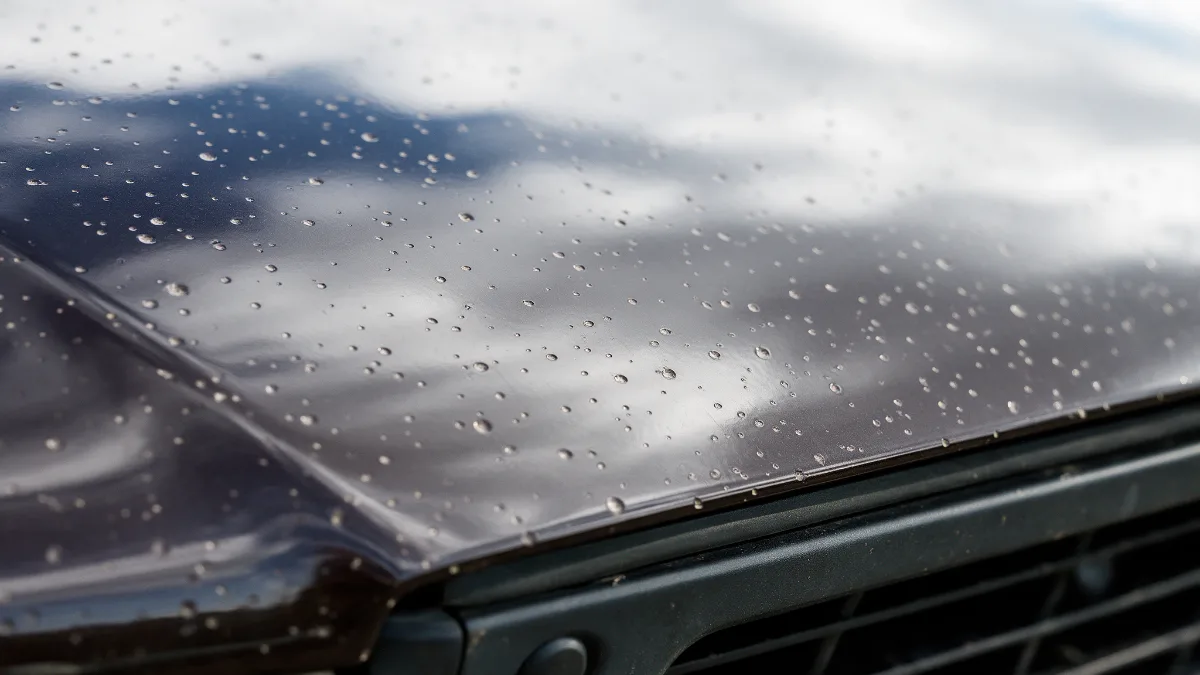
Stone chips and the paint repair that follows
Deal with chips while they are chips, because a broken paint film on a car that does a gritted road every winter does not stay cosmetic for long. The repair at that stage is paint. Six months later it can be a panel.
Chips cluster in predictable places on your car: the leading edge of the bonnet, the front of the roof, the top of the wings and the lower doors behind the front wheels. All four are where the car throws its own spray and whatever it picks up off the road. On a dark colour they show as light specks, on a light colour they often do not show at all until they start to spread.
A proper repair takes the damage back to sound material, primes it, lays the colour in and blends into the panel so the eye has no edge to find, then lacquers it. Spraying straight over a chip seals in whatever has already started underneath. How colour is read and blended is on paint and spray repairs.
Should you claim or pay for valley road damage
On wheels, tyres and chips, almost always pay, because the excess and the effect on a no claims discount usually cost more than the repair. On rear end collision damage, claim, because the bill is larger than it looks.
The arithmetic people skip is the effect on your premium, which lasts for years rather than one renewal, and your discount itself, which an unprotected policy loses several steps of. A claim worth a little more than the excess is rarely worth making once both are counted.
The exception is damage caused by somebody else, where you should claim through their insurer and pay nothing. The full comparison, set out with the numbers in the right order, is on claiming against paying for car damage.
Book an accident repair from Pontypridd
We are at Unit 4 Wentloog Buildings, Wentloog Road, Rumney, Cardiff CF3 1TH, Monday to Saturday, 9am to 6pm, with six work bays and the spray booth on site. Come down the A470 to Coryton, round onto the A48 and east to the Rumney turn. If the car is not fit for the A470, ring us before you set off rather than after. Everything the workshop handles after a collision is on accident repair.
Questions from Pontypridd drivers
Who do I claim from for pothole damage on the A470?
The Welsh Government, through the South Wales Trunk Road Agent, because the A470 is a trunk road. Rhondda Cynon Taf County Borough Council handles town streets and local roads.
How do I find out which authority owns a road?
Ask the council, which will tell you whether a road is theirs or trunk. Traffic Wales lists the trunk road network for the other side of the question.
My bumper looks fine after a rear shunt. Do I still need it checked?
Yes. Bumper skins are designed to spring back and the bar behind them is not. A straight bumper over a bent crash bar is the most common thing we find on this kind of job.
Is it worth coming to Cardiff when there are shops closer?
Use the nearer shop when it can do the job properly. The reasons to make the trip are the booth, the welding and the structural measuring, which matter on rear end damage rather than on a scuff.
Does claiming through the other driver insurer slow the repair down?
It can add a few days at the start while liability is confirmed, and it protects your no claims discount in a way that claiming on your own policy does not. On anything other than a tiny job it is usually the better route.
Can you recover my car from the valley?
Recovery is arranged through your insurer or breakdown provider rather than by us. Give them our address when you call so the car comes here directly instead of sitting in a compound.
Find out whether the road was trunk or council before you write to anybody, photograph the boot floor after a rear shunt, and ring before driving a marginal car down the A470. Call 07400 454839 or use the contact form.